Showing posts with label raw foods. Show all posts

Tuesday, April 2, 2019

Growing your own Microgreens


I decided to step up my spout game and invested in an affordable Seed Sprouter Trays with 4 Layers Shelf Soil-Free .  I like that it's soil free and doesn't need any other sort of base either. Along with the previous seeds I shared in my last Sprout post, I purchased a large bulk order below:
One pound of the following: Bean Salad Mix-Bean (Adzuki, Lentil, Mung), Radish, Crunchy Lentil Fest (Green, Red & French Lentils), Clover, Green Peas, Green Lentils, 3 Part Salad Mix (Alfalfa, Radish, Broccoli), Protein Powerhouse (Garbanzo, Snow Pea), 5 Part Salad Mix (Alfalfa, Radish, Broccoli, Mung & Lentil), Alfalfa, Garbanzo, Mung Beans. Sprouts are high in protein, essential amino acids, and eight digestive enzymes; vitamins A, C, B compels (including B-12), D, E and K; minerals iron, phosphorous, calcium, magnesium and potassium; and - when exposed to light - very high in chlorophyll. 

Once I receive the items I look forward to sharing my progress in growing microgreens.  

Here are two very helpful videos to start your  microgreen growing journey:) 

How to Grow Microgreens in Your Home


John from http://www.growingyourgreens.com/ visits City-Hydro in Baltimore, MD who makes over $100,000 a year growing microgreens in a bedroom. In this episode, you will discover how you can easily grow microgreens in your home to improve the health of you and your family. You will also discover how you can make over $100,00 a year growing microgreen and how to get a FREE 2 Day hands-on training on how to grow microgreens. First, John will show you how you can grow a tray of microgreens in your kitchen with a simple metro style shelf. You will also discover some of the health benefits of eating these micro vegetables. Next, you will share why the farmer started growing microgreens in his extra bedroom. You will get a full tour of his growing operation seeing all the different equipment he is using to grow the microgreens. You will then discover how to grow the microgreens including detailed information on using the best seeds, best water, best trays, best-growing medium, and much, much more. John will take you on a further tour of the grow room sharing with you some common and uncommon tips and tricks about growing microgreens and how he enjoys eating the microgreens.

Top Microgreen growing mistakes

John from http://www.growingyourgreens.com/ visits City Hydro in Baltimore Maryland to share with you the top 10 mistakes you can make when growing microgreens and how to avoid them. You will learn from Larry, an expert Microgreens grower on how to grow microgreens successfully every single time in your home or for business. In this episode, you will learn everything about microgreens you need to know to grow them without any problems. You will learn about how to avoid mold, what it looks like, how to water, how to grow the right microgreens, and much, much more. You will learn from one of oldest microgreens farmers in the USA who has grown thousands of trays of microgreens in his indoor farm that is inside his house in Baltimore, Maryland. You will discover how microgreens can be grown year-round - no matter where you live indoors by controlling the proper temperature and humidity. You will learn how to properly seed your microgreens in a tray so you don't get root rot or dampening off disease and have to deal with Pythium fungus. You will discover how by using the right growing medium you will have an easy time of growing microgreens successfully You will learn why using a FOOD SAFE plastic tray is important when growing microgreens and much, much more.


Thursday, March 28, 2019

Sprouts

Sprouts
I purchased this amazing, simple Deluxe Kitchen Crop 4-Tray Seed Sprouter by VICTORIO VKP1200 from Amazon

I then purchased some sprouts on Amazon - The Sprout House Amazon Six - Assorted Organic Sprouting Seeds and Seeds Mixes Sample, Pack of 6  

For the first round I sprouted som Alfalfa, Broccoli, mixed seeds (Alfalfa, Radish, Clover and Broccoli) and Mung Beans. As it stated, it took 5 days until they were perfect for storing and eating over the following days. 


Thursday, September 24, 2015

Ground cherry tomato Salsa


Ingredients-
  • 3 large red tomatoes
  • 2 cups of cherry tomatoes
  • 3/4 cup of ground cherry tomatoes
  • 1/2 red onions
  • 1/2 tsp cumin powder
  • 1/2 tsp salt
  • 1/4 tsp sugar
  • 2 Chinese 5 color hot peppers
  • 1 lemon
  • cilantro (I didn't have any but this is usually an essential for my salsa!) 
Recipe - 

Chop up the onion into very small pieces. Roughly chop up the large tomatoes. Add all other ingredients and blend. Salsa is ready to eat! Store in fridge. Store in jar. Be sure to shake before opening and serving, it tends to separate, especially with juicy fresh tomatoes. 


Tuesday, January 20, 2015

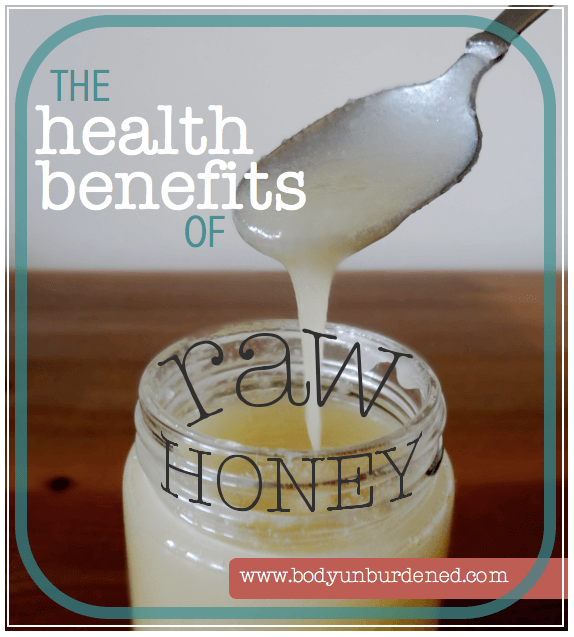
Raw Honey health benefits

Health benefits of raw honey
by Nadia

The mystery product sold as “honey”

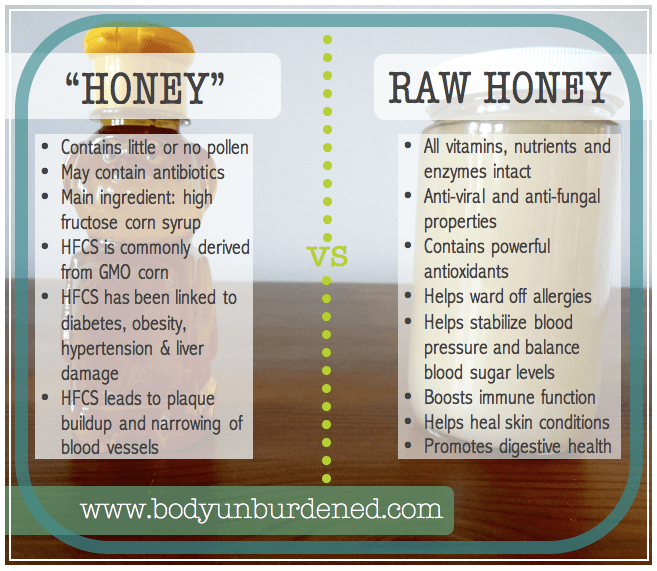
Honey is one of the most commonly mislabeled foods. Last year, Food Safety News found that 75% of store-bought honey was ultra-filtered and did not contain pollen. Without pollen, it is impossible to identify the honey’s source. Furthermore, the US FDA states that any “honey” that no longer contains pollen cannot technically be considered honey.

Even more concerning, a third or more of all “honey” in the US was found to have been smuggled in from China or India, and tainted with illegal antibiotics and heavy metals.  According to Food Safety News, millions of pounds of honey deemed unsafe and banned from dozens of foreign countries is being imported and sold in the US.

Additionally, a number of ingredients are added to “honey”, and even sometimes constitute the main ingredient. These include sucrose syrup, sugar syrup, partial invert cane syrup, corn syrup, glucose syrup, beet sugar and high-fructose corn syrup, as well as artificial sweeteners. Any “honey” that contains these ingredients is therefore not real honey, but a blend. Furthermore, some of these ingredients, such as high fructose corn syrup and artificial sweeteners, pose a particular threat to the health of consumers. On my trip to the grocery store, I picked up this little honey bear whose main ingredient was high fructose corn syrup. It was the cheapest honey available, and though I hate to waste, I threw this little guy in the trash after photographing him (I see right past that cute little face of yours, honey bear…).

The health benefits of raw honey

Raw honey comes straight from the honeycomb, and is honey in its purest form. It is unfiltered, unheated and unpasteurized, processes which can destroy the natural vitamins (high in vitamin C and B vitamins), minerals and enzymes found in honey. The health benefits of raw honey are seemingly endless:
  • Anti-viral and anti-fungal properties
  • Contains polyphenols, a powerful antioxidant
  • Helps ward off allergies
  • Soothes sore throats and is a natural expectorant (i.e. is great to eat when you have a cold)
  • Stabilizes blood pressure and balances blood sugar levels
  • Boosts immune function
  • Helps heal skin conditions and wounds when applied topically
  • Promotes digestive health
  • As an alkaline-forming food, helps combat chronic illness
Nutrition aside, raw honey differs from processed honey in a few significant ways: it is typically opaque, it is typically thicker than processed honey, and it crystalizes more readily as it has not been heated (producers heat honey to prevent crystallization). It can come in a variety of different colors. For example, I have raw alfalfa honey pictured above, and it is very light in color. But buckwheat or blueberry honey is very dark in color.
When looking to buy raw honey, look for a product from a local producer, preferably one you know or know of. Local honey offers particularly great protection from seasonal allergies.
Please note that pediatricians caution against feeding honey to children under one year old due to concern that it may contain botulism spores.
raw honey health benefits

Saturday, November 29, 2014

Raw food diet for Breast Cancer

Breast Cancer Survivor Says Raw Food Diet Helped Her Heal


Janette Murray-Wakelin is a breast cancer survivor who credits a raw food diet, meditation, physical activity, and following her intuition for her ability heal. In the early 2000s, she was diagnosed with Stage 3 breast cancer and told that she had just six months to live, without any guarantees. However, within those same six months, she was given a clean bill of health and also went on to participate in hundreds of marathons in only one year.(1,2) That’s right, in just one year.

She explains that she was offered chemotherapy, but that it “didn’t make sense” to her.(1)

“I was already compromised, so why would I compromise myself further so I’d get another six months of being sick?”(1) Rather than embrace what she calls a “very fear-driven” mindset that many doctors create in such a situation, she shunned their chemo and radiation recommendations in favor of alternative methods that she felt were significantly wiser and healthier choices. “Most people go with what their doctor says because they don’t realize that they can take responsibility and control themselves,” Murray-Wakelin says.(1)


The Decision to Walk Away from Traditional Cancer Treatments

So, without hesitation, she walked away from traditional cancer treatments and started asking herself what she could put in her body to make a difference. What made the most sense to her was to enjoy a diet filled with high-nutrient, living foods.(1)

Australia resident Murray-Wakelin, who was a vegetarian at the time of her diagnosis — something she says worked in her favor, making her better poised to fight her breast cancer and respond to juicing — had always been interested in fitness and health. However, she believes that accidental exposure to high-chemical substances that got on her skin and being in an area where she was exposed to toxic levels of pollution led to her diagnosis.(1)

Upon receiving news of her breast cancer, she immediately immersed herself in research and read up on others who chose to forego traditional cancer treatments. Referring to many books and studies that have a slew of side effects and questionable results listed, she notes that “…the smaller the print got, the more it became obvious that this was not the thing to do.”(1) Instead, she turned to the book The Breuss Cancer Cure by Rudolph Breuss, doing a 42-day juice fast based on its writings.(1)


Healing Foods for Breast Cancer Recovery

For her particular situation, the fast included several healthy foods from the Brassicaceae family such as beet root, broccoli, and Brussels sprouts.(1) After 42 days, she added other foods such as carrots and green apple to her juices.
Wheat grass was also a must, helping to rid harmful cells. “Cancer cannot survive in an oxygenated environment, therefore the more oxygen I could pump into the body through exercise, conscious breathing and drinking wheat grass, the better,” she says.(2) She says that the idea was to starve her cancer while at the same time, provide the body with nothing but essential nutrients to keep it going strong.(1)


Why Staying Physically Active Keeps Cancer at Bay

As for fitness, she explains that doctors told her to take it easy and to stop running. “So, the first thing I did,” she says with a laugh, “was increase my distance.”(1) Once again, she stresses the importance of how cancer cells can not thrive in an oxygenated environment, which is why she felt exercising more and not less, was essential.

Just how active has she been?
In 2013, her and her husband ran 365 marathons for 365 consecutive days throughout the year. On January 1, 2014, they ran one more which set a new world record for the most consecutive marathons.(3) By the way, they’re both in their sixties! They say their 100% raw vegan plant-based diet, awareness of sustainability, and faith in human kindness and healing naturally keeps them motivated.(3) Barefoot shoes, they add, help too.

She describes having tons of energy and feeling “fantastic.”(2)
“There is absolutely no doubt in my mind that consuming 100% raw food made a huge difference to my recovery time and to my overall healing,” she says.(2) “My diagnosis of cancer and resulting journey to optimum health has been an experience I am truly grateful for. I know for certain that I will continue on the raw path, as I continue to experience more health benefits and an ever-increasing enlightened consciousness. Every day is exciting when you are raw!”

Sources for this article include:
(1) https://www.youtube.com/
(2) http://www.rawcancure.com/
(3) http://www.runningrawaroundaustralia.com/