Showing posts with label herbs. Show all posts

Saturday, August 4, 2018

Favorite product of the week - Sacred 7 Mushroom extract powder


About the product

  • SACRED 7 MUSHROOM EXTRACT POWDER - Reishi, Maitake, Cordyceps, Shiitake, Lion's Mane, Turkey Tail and Chaga - 7 different species of mushrooms, each with unique healing properties, utilized for centuries throughout the world. LEVEL UP your immunity, cognition, endurance, adaptability, and more. Organic, Gluten-free, Vegan, Non-GMO, Paleo-friendly.
  • A VERSATILE SUPERFOOD POWDER - Easy-to-mix powder adds a powerful nutrient boost to your coffee, tea, smoothie, pre and post workout shakes, and even culinary dishes!
  • WHOLE ORGANIC MUSHROOMS - Our mushroom extracts are rich in both their taste and nutrient profiles. This is because we use 100% WHOLE FRUITING BODIES instead of mycelium (grain), which is mostly useless starch. Using ultra-purified water, our professional hot water extraction process breaks down the mushrooms’ cell walls to optimize the bioavailability of beneficial compounds. This yields nutrient-dense mushrooms with nearly zero carbohydrates, more protein, and HIGHER BETA-GLUCAN CONTENT.
  • WE TAKE QUALITY SERIOUSLY. All seven mushrooms are rigorously tested multiple times for PURITY (microbial, heavy metal, and pesticide testing).
  • 100% SATISFACTION GUARANTEED - We know this is the highest quality mushroom supplement you can find. If, for any reason, you’re not happy with your purchase, we will give you a full refund. Take command of your well-being! Order now and experience Sacred 7. 

Click here to view the product on Amazon

Sacred 7 is made from seven of the most historically revered mushrooms on Earth. Crafted with only 100% whole organic fruiting bodies, it's an adaptogenic, nootropic, immune-boosting superfood. A wealth of health-optimizing, longevity-promoting compounds are naturally present within these powerful mushrooms.

Reishi (Ganoderma Lucidum) Recognized as a medicinal mushroom for more than 2000 years, its active constituents include beta glucans and triterpenes, which have immunomodulatory and anti-inflammatory qualities.
Maitake (Grifola Frondosa) Used in traditional Chinese medicine, it has exhibited immunostimulatory effects. Newer studies have found it to exhibit strong neuroprotective benefits.
Cordyceps (Cordyceps Militaris) Found at high elevations, it may improve athletic performance, respiratory and sexual function.
Shiitake (Lentinula Edodes) Best known as a delicious culinary mushroom, it's also rich in polysaccharides including Lentinan. Studies have shown that it may reduce cholesterol levels, stimulate the immune system, and aid in treating infections.
Lion's Mane (Hericium Erinaceus) Another delicious edible with many medicinal compounds. These include the triterpenes hericenone and erinacine which have neurostimulating and neuroregenerative effects.
Turkey Tail (Trametes Versicolor) is used in traditional Chinese medicine as a tonic for strength and stamina, and recent studies suggest that it has immunostimulatory properties.
Chaga (Inonotus Obliquus) is found only in cold northern climates. It has shown antiviral and anti-inflammatory properties.
The rest is sacred. 

My favorite way to have Sacred 7 Mushroom is with some tea and a few drops of stevia

Wednesday, August 5, 2015

12 Natural Painkillers To Use Instead Of Opiates


image

Pain in any body part makes it difficult for you to do your daily chores. Preventive measures are the best to prevent the pain to crop up in the first place. But, even after all efforts, if you are not able to save yourself from its trap.

Inflammation is a natural part of our immune system, but when it’s happening on a consistent basis it can eventually cause side effects like chronic pain and discomfort. Many people seek relief from chronic pain by trying out a high raw lifestyle.Add these foods to your diet for regular and natural pain maintenance.


12 Natural Pain Killers To Use Instead Of Opiates

Boswellia
This herb is sourced from the frankincense tree. Its resin is used to thwart chemical reactions that cause inflammation, and thus pain. Ayurvedic scientists have used Boswellia for centuries to treat arthritic conditions, as well as inflammatory bowel disease.

Arnica
An excellent herbal rub to use after intense sports, an acute injury, or even post surgery, arnica is a well-known natural pain killer among athletes and yogis. It is derived from a European flower, and has anti-inflammatory properties, although the true nature of its healing action is still unknown.

Ginger
It is effective a pain reliever as ibuprofen or acetaminophen, and it reduces nausea and relieves symptoms of stomach distress; contains gingerol, an ingredient that works well against rheumatoid arthritis and is being studied for its anti-cancer properties.

Extra Virgin Olive Oil
Consuming this oil raw can prevent and manage pain. Studies recommend consuming up to three tablespoons a day, preferably higher quality extra virgin olive oils. The best way to get more EVOO into your diet is to drizzle it over a salad or to use it as a base for homemade salad dressings. Throw some salmon in your diet for extra pain-killing benefits.

Coconut oil
Contains natural anti-inflammatory and anti-microbial properties. It can be used internally or externally for boosting your immune system and reducing back and joint pain. It’s also great skin moisturizer as well as a hair conditioner for dry and frizzy hair.

Cinnamon
If you are in pain, simply sprinkle a teaspoon of freshly ground cinnamon on your cereal and in a couple of hours, you will end up feeling better. Or, you can simply make a tea from cinnamon. Blend one teaspoon of cinnamon with two teaspoons of honey and mix them in warm or hot water. Some studies also show that this paste can be used as a poultice to provide relief from arthritic pain. If you have sensitive skin, first try applying a little bit of this paste on the affected area and if it does not cause an irritation, go ahead and use it.

Cherries
Cherries are not only a tasty fruit, packed with antioxidants, but they also have anti-inflammatory properties, which make them good natural painkillers. There are numerous studies, which show that cherries can relieve pain caused by gout due to a combination of different natural compounds, which fight pain and provide relief.

Turmeric
Turmeric helps in fighting various kinds of inflammation, chronic pain, back and muscle pain, toothache and arthritis. Also, this spice helps in successful recover of tissues and it is excellent for detoxification and improving overall health. You can add turmeric to various dishes as well as teas and juices. Turmeric is best combined with black pepper because it is most efficient used in this way.

Cloves
Toothache and pain in the gums can be immediately treated with cloves. The best way to use cloves for toothache is to chew it because in that way a powerful ingredient with analgesic effect, called eugenol is released. If you are not able to handle the strong and unique clove flavor, make a strong cloves tea.

Blueberries
Blueberries are best natural medicine for treatment and prevention of infections of the urinary tract. They are very rich in tannin, a natural organic compound that effectively kills the bacteria that causes inflammation of the urethra.

Lemon
Out of many qualities that lemon possesses, one is- ‘It is a natural pain killer’. Lemon extract is beneficial for frequent travelers, or for those whose job involves a lot of sitting. Dip a towel in a bowl of lemon juice and apply it on the aching area. You’ll get relief.

White Willow
The bark of white willow is used as a natural painkiller. The properties found in it are more like that of aspirin. It is used to cure headache, muscle contraction, lower back pain, and arthritis. Chewing the bark and swallowing its juice will also help. You can also brew this herb as tea.

Tuesday, July 7, 2015

Black Cumin Seed Oil is the most important oil: It treats more than 80 serious diseases

blkseed 

Black cumin seed oil is perhaps the most important oil you can use for your health.  Native to Western Asia, Turkey, Iraq, and Egypt, black seed oil has been valued for it’s health benefits for centuries. In fact,


black cumin seed oil was found in Tutankhamen’s tomb, and was used by Cleopatra for its valuable health and beauty benefits.
Black cumin seed oil is believed to have over 100 ingredients. The main active ingredient in black seed oil is crystalline nigellone.  It also contains  myristic acid palmitic acid, palmitoleic acid, stearic acid, oleic acid, linoleic acid (omega-6), linolenic acid (omega-3), arachidonic acid, protein, thiamin, riboflavin, pyridoxine,  copper, zinc, phosphorous, niacin, folacin, calcium, iron.
Studies at Thomas Jefferson University have confirmed  the antioxidant and anti-inflammatory effects of black cumin seed oil, as well as its anticancer effects on prostate and colon cancer.


Black Cumin Seed Oil and Cancer

Black cumin oil not only rebuilds the immune system and destroys cancer cells but it encourages the good cells to fight the cancer. Presently, there are 462 published studies on the efficacy of Nigella sativa. (http://www.ncbi.nlm.nih.gov/pubmed?term=nigella%20sativa).

Several studies have found that a compound in black seed oil, Thymoquinone, helps induce cell death in leukemia cells, brain tumor cells, breast cancer cells, pancreatic cancer, and cervical cancer cells.

According to one study,
“The anti-tumor effects of thymoquinone have also been investigated in tumor xenograft mice models for colon, prostate, pancreatic and lung cancer. The combination of thymoquinone and conventional chemotherapeutic drugs could produce greater therapeutic effect as well as reduce the toxicity of the latter.”


Black Cumin Oil Can Treat:
 
Heart Disease
Hair loss
Allergies and Sinusitis
Anxiety and Nervous Tension
Bronchitis
Colds and Flu’s
Colic (babies)
Diabetes
Diarrhea, Indigestion and Heartburn
Headaches and Migraines
High Blood Pressure
Insomnia
Intestinal Parasites
Lethargy and Depression
Candida
Lowers bad cholesterol
Inflammation
Helps Acne
Helps relieve backache, arthritis and rheumatism
Helps Burns
Helps with Eczema
Fungal and other Infections
Joint Pain
Psoriasis
Sore Muscles
Lethargy and Depression Asthma
Increases flow of breast milk in nursing mothers
Stimulates menstrual periods
Chronic fatigue
Increases healthy fat in the blood
Calms nervous system
Stimulates urine productionImproves respiratory problems/symptoms
Fights infectious disease
Weakness
Prevent epileptic seizures
Hemorrhoids
Varicose veins
Depression
Nourishes the skin and helps in the regeneration of damaged cells

Dermatitis
Prostate issues
Gallbladder stones
Kidney stones


How to use black cumin oil
  • For therapeutic effects, take three teaspoons of the oil a day mixed with half a teaspoon of raw honey or freshly squeezed juice.
  • For beautiful skin, mix ½ teaspoon of black cumin seed oil into 1 tablespoon carrier oil, leave on for 50 minutes then rinse it off.
  • To treat skin conditions such as psoriasis and eczema,  apply the oil directly to your skin.

Saturday, July 4, 2015

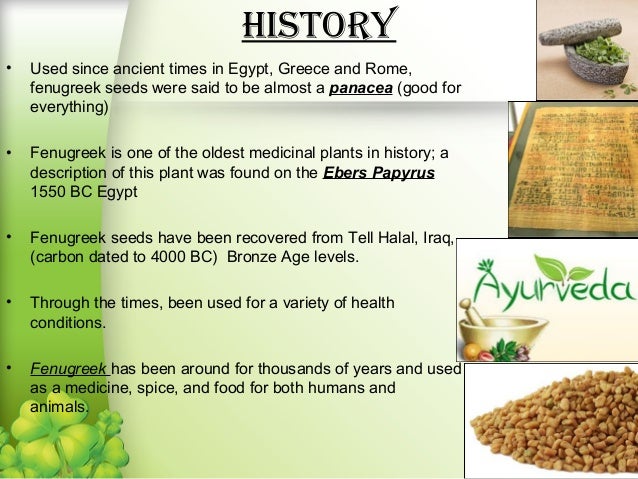
Fenugreek

http://image.slidesharecdn.com/fenugreek-140223114554-phpapp02/95/fenugreek-seeds-cultivation-and-gum-production-4-638.jpg?cb=1393177658

by webmd
Fenugreek is a plant. The seeds are used to make medicine.

Fenugreek is used for many conditions, but so far, there isn’t enough scientific evidence to determine whether or not it is effective for any of them.

Fenugreek is used for digestive problems such as loss of appetite, upset stomach, constipation, and inflammation of the stomach (gastritis). It is also used for conditions that affect heart health such as “hardening of the arteries” (atherosclerosis) and for high blood levels of certain fats including cholesterol and triglycerides.

Fenugreek is used for kidney ailments, a vitamin deficiency disease called beriberi, mouth ulcers, boils, bronchitis, infection of the tissues beneath the surface of the skin (cellulitis), tuberculosis, chronic coughs, chapped lips, baldness, cancer, and lowering blood sugar in people with diabetes.

Some men use fenugreek for hernia, erectile dysfunction (ED), and other male problems.

Women who are breast-feeding sometimes use fenugreek to promote milk flow.

Fenugreek is sometimes used as a poultice. That means it is wrapped in cloth, warmed and applied directly to the skin to treat local pain and swelling (inflammation), muscle pain, pain and swelling of lymph nodes (lymphadenitis), pain in the toes (gout), wounds, leg ulcers, and eczema.

The taste and odor of fenugreek resembles maple syrup, and it has been used to mask the taste of medicines.

In foods, fenugreek is included as an ingredient in spice blends. It is also used as a flavoring agent in imitation maple syrup, foods, beverages, and tobacco.

In manufacturing, fenugreek extracts are used in soaps and cosmetics.

Fenugreek leaves are eaten in India as a vegetable.

How does it work?

Fenugreek appears to slow absorption of sugars in the stomach and stimulate insulin. Both of these effects lower blood sugar in people with diabetes.

Friday, May 15, 2015

Turmeric

How Turmeric Upgrades Your Organ Systems & Effectively Treats All Cancers, Inflammatory Diseases, & More

 curcumin
Turmeric, and its bioactive ingredient curcumin, has been scientifically proven as an effective counteractive agent against cancer, auto-immune disease, inflammatory disease, and a whole lot more. 

If you are a lover of Indian food, then you’re likely familiar with the pleasant aroma of the yellow herbal root, turmeric.

But besides its delicious flavour profile, turmeric has a plethora of medicinal applications, used widely in Chinese herbal medicine as well as in Ayurvedic medicine. Even Western medicine has recognized the medicinal value of turmeric, as seen in the incredible amount of scientific literature available today surrounding curcumin, the bioactive ingredient in turmeric.

Traditional medicinal uses include the treatment of liver disease, skin problems, respiratory and gastrointestinal ailments, sprained muscles, joint pains, and general wound healing. 

It actually exhibits over 150 potentially therapeutic activities, including anti-inflammatory and antimicrobial activity, as well as containing potent anti-cancer properties that have been studied intensely.


What Research Has Discovered About Curcumin (Turmeric)

Researchers have found that curcumin has a positive effect on multiple systems in the body. For one, curcumin has been found to modulate around 700 of our genes. Furthermore, it modulates over 160 physiological pathways.
Curcumin also regulates our cell membranes, allowing for more efficient transport of molecules in and out of the cell.

But one of the most amazing aspects of curcumin is its positive effect on signalling molecules, which, if gone awry, can lead to chronic inflammatory responses, autoimmune responses, issues with DNA and RNA regulation, and more. In short, curcumin is a vastly important ingredient in the prevention of almost all types of diseases.


Why Turmeric Is Being Used To Treat Alzheimer’s & Other Inflammatory Diseases

Research has also discovered applications of curcumin in treating Alzheimer’s and joint health.

Curcumin is capable of crossing your blood-brain barrier, which is one factor that has led researchers to investigate its potential as a neuroprotective agent for neurological disorders such as Parkinson’s and Alzheimer’s disease.

In his article, Turmeric—A “Universal” Cancer Treatment, and Much More, Dr. Mercola outlines a newly discovered compound in turmeric called aromatic turmerone, which helps endogenous neutral stem cells (NSC) to grow, and these stem cells play an important role in brain repair and regeneration activities. Here’s what he had to say about curcumin’s neuroprotective properties:
“Curcumin may also be helpful. Previous research has shown that curcumin helps inhibit the accumulation of destructive beta-amyloids in the brain of Alzheimer’s patients, as well as break up existing plaques associated with the disease. People with Alzheimer’s tend to have higher levels of inflammation in their brains, and curcumin is perhaps best known for its potent anti-inflammatory properties. It can inhibit both the activity and the inflammatory metabolic byproducts of cyclooxygenase-2 (COX2) and 5-lipooxygenase (5-LOX) enzymes, as well as other enzymes and hormones that modulate inflammation.”


Curcumin Kicks Cancer’s Butt

Not surprisingly, curcumin actually has the most evidence-based anti-cancer literature out of any other herb.

As noted by Dr. William LaValley—one of the leading natural medicine cancer physicians, curcumin is unique in that it appears to be universally useful for just about every type of cancer. This is odd, considering the fact that cancer consists of a wide variety of different molecular pathologies.
One reason for this universal anti-cancer proclivity is curcumin’s ability to affect multiple molecular targets via multiple pathways.

Once it gets into a cell, it affects more than 100 different molecular pathways. And, as Dr. LaValley notes, whether the curcumin molecule causes an increase in activity of a particular molecular target or decrease/inhibition of activity, studies repeatedly show that the end result is a potent anti-cancer activity. 

Moreover, curcumin is non-toxic, and does not adversely affect healthy cells, suggesting it selectively targets cancer cells—all of which are clear benefits in cancer treatment. Research has even shown that it works synergistically with certain chemotherapy drugs, enhancing the elimination of cancer cells.


Important Notes About Turmeric Sourcing

The yellow turmeric spice you find on your local grocery store shelves won’t offer you the same medicinal value as properly extracted and sourced curcumin.
The turmeric root itself contains only about three percent curcumin concentration, and curcumin is poorly absorbed by your body to boot. When taken in its raw form, you’re only absorbing about one percent of the available curcumin. Even in supplement form it’s unlikely to provide the results shown in various disease studies. If you want to use curcumin therapeutically, you can try one of the following three alternatives recommended by Dr. Mercola: 

Locate a high quality turmeric extract that contains 100 percent certified organic ingredients, with at least 95 percent curcuminoids. The formula should be free of fillers, additives, and excipients (a substance added to the supplement as a processing or stability aid), and the manufacturer should use safe production practices at all stages: planting, cultivation, selective harvesting, and then when producing and packaging the final product. Typical anticancer doses are up to three grams of good bioavailable curcumin extract, three to four times daily.

Make a microemulsion using raw curcumin powder. Combine one tablespoon of the powder with 1-2 egg yolks and a teaspoon or two of melted coconut oil. Use a high speed hand blender to emulsify it. Keep in mind that curcumin is a very potent yellow pigment that can permanently discolor surfaces, so take precautions to avoid “yellow kitchen syndrome.”

Boil the curcumin powder. Another strategy that can help increase absorption is to put one tablespoon of the curcumin powder into a quart of boiling water. It must be boiling when you add the powder as it will not work as well if you first put it in room temperature water and then heat the water and curcumin. After boiling it for 10 minutes you will have created a 12 percent solution that you can drink once cooled. It will have a woody taste. The curcumin will gradually fall out of solution however. In about six hours it will be down to a six percent solution, so it’s best to drink the water within four hours.

Tuesday, April 14, 2015

8 Essential Oils with Medicinal Properties

8 Power Packed Essential Oils Having Remarkable Medicinal Properties

Essential oils are powerful, concentrated aromatic compounds extracted from herbs, flowers and other organic plant matter. Apart from there common use people have been using them to improve their health over the ages. Take a look through the rest of this article you may find some information you would never have thought about before about essential oils.


8 Power Packed Essential Oils Having Remarkable Medicinal Properties


Rosemary
It is an optimal e.o. to keep in your office as it stimulates mental alertness. It’s also renowned for improving memory. Rosemary assists the adrenal system and helps with asthma, bronchitis, headache, arthritis and gout. It can increase intuition. Rosemary stimulates hair growth, promotes scalp health and reduces cellulite. Studies have shown rosemary e.o. effective in fighting ovarian and liver cancer cells among others.

Castor Oil
A castor oil pack is placed on the skin to increase circulation and to promote elimination and healing of the tissues and organs underneath the skin. It is used to stimulate the liver, relieve pain, increase lymphatic circulation, reduce inflammation, and improve digestion.

Castor oil packs are a traditional holistic treatment for a range of conditions, such as: cholecystitis (inflammation of the gall bladder), poor eliminations, epilepsy, various liver conditions such as cirrhosis and torpid liver, scleroderma, headaches, appendicitis, arthritis, incoordination between assimilations and eliminations, colitis, intestinal disorders such as stricture and colon impaction, incoordination between nervous systems, neuritis, and toxemia.


Lemon
Lemon supports the sympathetic nervous system. It is naturally high in vitamin c and antioxidants. It supports the elimination of internal parasites. Externally, lemon e.o. lightens liver spots and facial pigmentation; it also works as a natural astringent. It is anti-bacterial and anti-infectious: a diffuser can kill meningococcus bacteria in 15 minutes, typhoid bacilli in 1 hour, staphylococcus aureus in 2 hours and pneumococcus bacteria in 3 hours (Valnet).

Tea Tree Oil
It has anti-fungal, anti-viral, anti-bacterial, anti-microbial, anti-parasitic and anti-septic properties, making this oil the top choice for practically EVERYTHING! It regenerates skin tissue, and so it is ideal for burns, lesions, insect bites, deep wounds, acne, cold sores, fungal infections, dry scalp, lice, eczema, psoriasis and athlete’s foot. For yeast/bacterial infections, you can make your own natural vaginal suppositories by mixing 3 drops tea tree oil into 1 tsp coconut oil and keep in the refrigerator to harden until ready for use. Tea tree e.o. also fights toxic mold when used as a spray or in a diffuser.

Eucalyptus
It contains anti-septic, germicidal and disinfectant properties making it the go-to for respiratory, chest, cough, throat and sinus issues; it thins mucus, acts as an expectorant and relieves coughs, fevers and sinus congestion. Eucalyptus also soothes muscles, nerves and joint pain. It relieves urinary/bladder symptoms and infections. This e.o. is stimulating and energizing when inhaled.

Peppermint
Peppermint boosts energy and mental alertness; it is especially helpful if you are trying to eliminate caffeine or sugar as it will give you that natural boost of energy you’re accustomed to receiving. It also relieves headaches. Peppermint is anti-bacterial and assists with food poisoning, IBS and other digestive ailments. Use this potent e.o. for tooth and gum infections as it kills bacteria.”

Lavender
It is soothing, eases depression and calms the nervous system. Its relaxing and rejuvenating benefits make this a perfect addition to your bath, diffuser or massage oil. Relieves headaches, migraines and nervous tension. Lavender is anti-bacterial, and therefore, great for skin and scalp issues including open wounds, cystic acne, insect bites, burns, dandruff and skin/hair care products. This e.o. decongests the sinus and respiratory systems. Lavender is popular for its pleasant fragrance and optimal for meditation given its association with the sixth chakra/third eye/pineal gland.

Rose
Rose is calming and relieves depression; it supports the healing of shock, emotional trauma, heartbreak and grief. Rose opens up the heart chakra, promotes self-confidence and is also an aphrodisiac. It has a sweet and uplifting fragrance. Rose can regenerate cells and has healing, rejuvenating skin care qualities such as wrinkle, stretch mark and scar reduction. This e.o. aids menstrual irregularities and reproductive issues including impotence and frigidity.

If you have sensitive skin, spot test first or mix with a carrier oil such as coconut oil, olive oil or jojoba oil to avoid irritation. Most essential oils require a carrier oil or need to be diluted especially when using on babies, children and pregnant women.

Wednesday, December 24, 2014

Herbs for Cancer

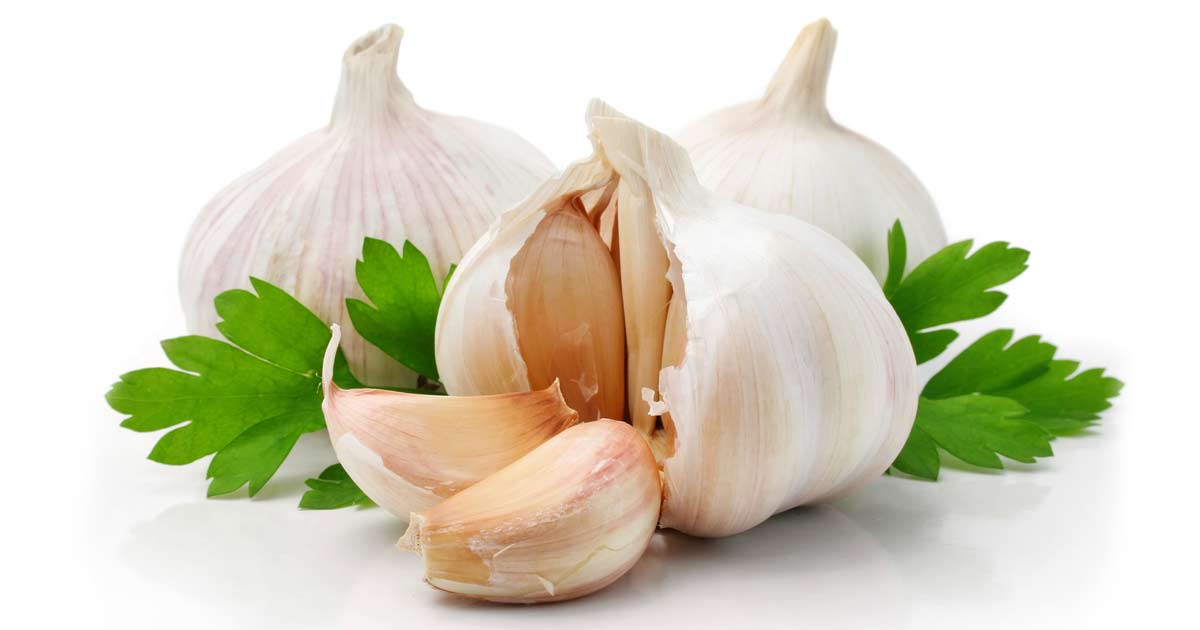
http://media.mercola.com/ImageServer/Public/2013/November/garlic-with-parsley-fb.jpg

By Linda B. White 
Garlic: Research shows that garlic (Allium sativum) has cancer-protective effects. Garlic enhances enzymes that detoxify carcinogens, quench oxidation, inhibit proliferation of cancer cells, induce cancer cell death and boost immunity. However, heat deactivates some of garlic’s key ingredients. To maximize benefits, add raw garlic to dressings, dips, soups and sauces. You can also retain more of garlic’s anti-cancer effects when cooking by crushing it and allowing it to sit for 10 minutes (which allows time for critical enzymatic changes) before adding it to the pan.

Medicinal mushrooms: Mushrooms contain polysaccharides and other ingredients that both enhance immunity and have anti-cancer properties. Most research has been done on medicinal mushrooms such as reishi, shiitake, maitake and cordyceps. However, all edible mushrooms have benefits. Even the common button mushroom enhances immune-cell functions and can fight cancer. Women who regularly eat mushrooms have a reduced risk of breast cancer. Note: Some mushrooms (reishi and cordyceps, for example) are too rare or woody to find in grocery stores. Look for supplements containing these mushrooms. 

Milk thistle: While better known for protecting the liver, milk thistle (Silybum marianum) also has cancer-protective effects. It contains an antioxidant, anti-inflammatory flavonoid complex called silymarin. Research shows that it promotes the repair of DNA, blocks angiogenesis and suppresses proliferation and metastasis in a variety of cancers. Milk thistle is available as a tincture or standardized extract. You can also use the ground seeds in tea or sprinkle them atop foods. Milk thistle’s delicious relative, the artichoke, also contains polyphenols.

Tea: Black, green and oolong tea all come from the same plant—Camellia sinensis. Studies link tea consumption with a reduced risk of gastrointestinal, pancreatic, bladder, prostate, ovarian, uterine and breast cancer. Green tea is particularly rich in a polyphenol called epigallocatechin gallate. In lab research, it has inhibited cancer cell formation, proliferation, invasiveness and metastasis, and provokes cancer cell death. Animal studies show protection against many cancers, including skin cancer. Try to drink three to five cups of green tea a day.

Turmeric: Turmeric (Curcuma longa) contains potent antioxidant and anti-inflammatory substances. Curcumin, a key chemical in turmeric, can inhibit cancer cell growth and migration, block the creation of blood vessels to the cancer and induce cancer cells to die. The optimal dose for supplemental curcumin isn’t clear, though doses up to 8 grams a day seem to be safe. Curcumin’s bioavailability—the amount the body can absorb—is low. Combining curcumin with bromelain (an enzyme in pineapple), piperine from pepper, or phosphatidylcholine, a chemical in foods like eggs, soybeans and mustard, seems to enhance absorption. In a boon for lovers of spicy foods, one of the most effective ways to consume turmeric may be in curry. Curried foods contain pepper and oil, which improve curcumin’s absorption.  

Thursday, November 20, 2014

3 of the Most Powerful Herbs

3 of the Most Powerful Herbs You’ve Never Heard of


image


Using Nature To Unlock Our Immortality

Immortality has always been a dream of conscious humans. The desire to avoid death and live eternally is universal, profound and God-like. 
Answers to the mystery of immortality have been growing in forests and jungles since the dawn of time.

I believe that it only makes sense that as consciousness in the animal kingdom evolves, so too should consciousness in the plant kingdom. The very same plants that help in the healing of diseases, infections and chronic illnesses can also help us to live longer, more productive and healthier lives.
The most powerful herbal medicines assist the body by unlocking the codes of what your genes can already do. These most effective herbs are known as adaptogens, which assist the body in its natural task of maintaining homeostasis—the delicate state of balance necessary for survival.

A body out of balance is considered to be in negative homeostasis, a condition in which the restorative and degenerative systems of the body may not function properly. If untreated this may eventually lead to symptoms of fatigue, anxiety, depression, insomnia and other various sicknesses.

But adaptogens help the body adapt to, and compensate, for change. In a person with high blood sugar, for example, an adaptogenic herb might help to lower glucose levels in the body, whereas, in a person with low blood sugar, the herb would help to raise them.

One of the main things adding to your lifespan is an enzyme called telomerase. Have you ever gone camping and cut a rope, and then burned the end of it with a lighter to keep it from splitting? The telomerase works in the same way. It keeps the ends of your DNA from unraveling.

Unfortunately, every time your cells divide, some of this is lost, meaning you are breaking your body’s ability to regenerate itself every time you grow or heal. Adaptogenic herbs are programmed at finding ways to either rejuvenate telomerase or prevent its loss in the first place. I believe that in nature we can finds ways that could effectively halt or even reverse the aging process.
What are these herbal treasures, you ask? I have spent years researching the best adaptogens and medicinal mushrooms and here are the top three:


Astragalus 


Astragalus and Life Force
Astragalus ranks as one of the most potent health tonics in the world. For over 2,000 years it has been one of the most popular tonic herbs used in Asia. Astragalus is said to strengthen the primary energy of the body and to tonify the three burning spaces, or in other words, to strengthen all metabolic, respiratory and eliminative functions.

As an energizer, Astragalus is famed for its strengthening effects on the outside of the body, in particular to the musculature. It is therefore beneficial in particular to adults who tend to be physically active and require abundant external energy. In China, Astragalus is sometimes considered superior to Ginseng as an energizer for active people. Astragalus is used to strengthen the legs and arms and is commonly used by people who work outdoors, especially in the cold because of its strengthening and warming nature.


Fenugreek


Fenugreek and Growth Hormones
Fenugreek seeds contain chemicals known as saponins, which have a wide range of medicinal applications. Fenugreek’s saponins, in particular, are linked to stimulating release of growth hormone from pituitary cells. This gland is located right in the center or the brain, near the hypothalamus at the base of the skull. It’s only about the size of a pea, but it’s incredibly important. It secretes various hormones into the bloodstream to assist in several processes throughout the entire body. This gland is often referred to as the “master gland” because of its various roles in the body. The pituitary gland supports the adrenal glands, thyroid gland, ovaries and testes, which in turn produce other hormones.


Medicinal Mushroom Red Reishi 


Health benefits of Reishi
Perhaps Reishi’s greatest potential medical benefit is its ability to strengthen the body’s immune system. Consumption of Reishi is therefore considered preventive and immune enhancing, rather than treatment for a specific disease. In addition to triterpenes in its fruiting body, Reishi mushroom also contains polysaccharides. These enzymes are found under the spores released under the cap of the mushroom. Reishi polysaccharides affect blood by increasing the white blood cells count, which boosts the immune system’s ability to fight disease.

Among the medicinal plants, Reishi is a potent adaptogen. It may assist the body in adapting to stresses of various kinds; these stressors may be temperature, trauma, sleep deprivation, exposure to toxins, radiation, infection, or psychological stress. Like adaptogens, Reishi shares the properties of causing no side effects with regular consumption; it helps an organism return to a state of equilibrium.

Red Reishi acts as an immune modulator—a substance that regulates, and fine-tunes the immune system. The primary responsibility of the immune system is to detect pathogens such as viruses, bacteria and other microbes that invade the body. Under normal circumstances, an intact immune system is capable of deterring most of these organisms before it causes any damage. However, if the immune system is compromised, viruses, bacteria, parasites and fungi can proliferate and cause disease. Consuming Reishi eliminates these problems.

Monday, June 16, 2014

Food Cures You Can Grow at Home

Why burn a quarter-tank of gas running out to the drugstore for Pepto when you can pluck some relief from your windowsill herb garden?
Besides adding another dimension to your cooking, freshly harvested herbs can soothe dozens of common health problems, and it’s possible to grow a selection of home remedies in a couple of pots placed in a sunny spot. 
Look for seedlings of these plants and herbs at any garden store, or if you’re really ambitious, buy a packet of seeds and try sprouting your own.

Aloe Vera

Grow it: Plant in pots placed in full sunshine. Water well.
Use it: Break open the thick leaves and apply the gel that seeps out to your skin to soothe sunburn. “It’s 96 percent water and 4 percent active ingredients, including amino acids and enzymes that nourish damaged skin,” says pharmacist Margo Marrone, founder of The Organic Pharmacy in the United Kingdom.
Aloe vera is soothing for burns

Basil

Grow it: This sweet, fragrant annual is ideal for growing in pots. Pull off the white flowers as soon as they appear to keep it from going to seed and your herbs from tasting bitter.
Use it: Rub crushed leaves on your temples to relieve headaches. Pour boiling water over basil leaves for a pain-relieving footbath.
Read more: Check out our Basil Growing Guide.
Rub basil on your temples to soothe headaches

Lavender

Grow it: This sun-loving plant needs good drainage. Use a small pot filled with gravel and a light soil.
Use it: It has antiseptic and anti-inflammatory properties. Crush a handful of the heads and add to a bowl of boiling water to use as a steam bath for your face. You can also dab the oil from the flowers on blemishes, says Marrone.
Lavender has anti-inflammatory properties.

Lemon Balm

Grow it: Pot it, or it will colonize your garden.
Use it: Use for healing and preventing cold sores. Also, rub leaves directly onto skin as a natural insect repellent or to soothe bites.
Lemon balm heals and prevents cold sores.

Mint

Grow it: Use a sunken pot, because it grows vigorously.
Use it: Ideal for treating the collywobbles, which you might know as butterflies in the stomach. Sip tea made with fresh peppermint leaves to soothe stomach cramps, nausea, and flatulence. For a natural decongestant, place a fistful of mint leaves in a shallow bowl and cover with boiling water. Lean over it, drape a towel over your head, and breathe the steam.
Mint is ideal for cramps and gas.

Parsley

Grow it: Thrives in a pot in the sun as long as the soil is kept moist. Feed with organic fertilizer.
Use it: Immune-system booster. Eat one tablespoon of chopped flatleaf or curly parsley daily. Chewing parsley neutralizes mouth odors.
Use parslery to neutralize mouth odors

Rosemary

Grow it: This hardy perennial loves basking in sunshine.
Use it: Tea made from a thumb-sized piece has been known to lift spirits in people suffering from seasonal affective disorder (SAD) and hangovers. Infuse warm red wine with rosemary, cinnamon, and cloves to soothe winter colds.
Rosemary lifts the spirits.

Sage

Grow it: Needs full sun and a dry sandy soil. Sage means “to be in good health.”
Use it: Gargle with a broth made from a quarter-cup of leaves (and cooled) to relieve sore throat.
Sage helps soothe a soar throat

Thyme

Grow it: Plant in dry, light soil. Needs sun.
Use it: A powerful antioxidant as well as an antiseptic. Drink a tea made from lemon thyme to treat colds before bed. Warning: Don’t use thyme when pregnant.
Thyme is an antioxident and antiseptic.
 

Sunday, July 21, 2013

Lemon Basil 7/20/13


 7/20/13 - Lemon Basil and Chamomile plants
  7/20/13 - close up of left side
 7/20/13 - close up of right side


Thursday, May 2, 2013

Tulsi - Holy Basil

My Tulsi (Holy Basil) plants are just sprouting ^_^

Researchers Discover That The Tulsi Plant Can Be Used To Remove Fluoride From Drinking Water
An exciting and new water treatment breakthrough has been announced that will now make the removal of fluoride from the drinking water supplies of the world’s poorest people more affordable than ever.

Researchers from Rajasthan University in India have discovered that the Tulsi plant, also known as Holy Basil, can be used to significantly reduce the amount of fluoride in drinking water.

At present, the most reliable methods used to remove excessive fluoride from drinking water are either too expensive or not suitable for the environments where they are needed most.

The method discovered by researchers from Rajasthan University is safe, cheap and readily available, making it an ideal alternative for communities who can’t afford to use the more advanced techniques of removing fluoride that are readily available in the West.

An experiment was conducted in the Yellareddyguda village of Narketpally Mandal. The researchers soaked 75mg of Tulsi leaves in 100ml of water that contained 7.4 parts per million of fluoride in the water.

After only soaking the Tulsi leaves for eight hours, it was discovered that the level of fluoride in the water was reduced from 7.4 parts per million, to only 1.1 parts per million.

At present, the World Health Organization recommends that the safe level of fluoride in drinking water is between 0.5 to 1 parts per million.

The dangers of drinking water that contains high levels of fluoride are well known. Some of the known side effects of drinking water that contains fluoride are dental fluorosis, reduced intelligence in children and a damaged nervous system.

This new water treatment option could now provide the world’s poorest people an opportunity to remove excessive fluoride from their drinking water supplies.

However, more research is still needed to identify and validate the effectiveness of using Tulasi leaves as a means of removing fluoride from drinking water supplies.