Monday, September 16, 2013

Five herbs your liver will love

 Five herbs your liver will love - detox, boost function and more 

http://www.bnaiyer.com/Medical-Health/liver.jpg  
The liver is the largest solid organ in our bodies. It can be adversely affected by poor diet and lifestyle choices, alcohol consumption, acetaminophen, non-prescription pain killers, and the myriad of toxins in our environment.

It is responsible for filtering blood from toxins and converts waste products from metabolic functions into urea to be eliminated by urine. It creates bile to help digest fats and carbohydrates.

It also filters out toxins from the blood stream and synthesizes glutathione, the master antioxidant that also helps recycle other spent antioxidants. It also helps balance blood sugars and creates red blood cells.

As our liver goes, so goes our overall health. A poorly functioning liver can push one into diabetes. Acute liver dysfunction includes hepatitis A, B, and C, which are considered infectious, viral inflammations caused by interpersonal contact, sexual contact, or blood.

Not everyone agrees to the viral aspect of hepatitis, especially hepatitis C, but everyone agrees that inflammation is the issue. Cirrhosis of the liver is usually from too much alcohol consumption. But the latest large surge in liver disease comes from non-alcoholic fatty liver disease (NAFLD).

Mainstream medicine is quick to jump on serious interventions, such as liver transplants, if they perceive too much damage for the liver to recover.

Fortunately, under the right conditions, the liver can remain very healthy or be healed regardless of the affliction because it can self-repair cell damage.


Herbs that will benefit the liver regardless of its condition

The more serious the liver problem is, the more of these herbs can be utilized. For maintaining liver health, one or two are worth considering.

Herbs (1) through (4) can be purchased in bulk to make your own tinctures or extracts. Here's a DIY (do it yourself) recipe for any tincture or extract: http://www.naturalnews.com/032298_herbs_tinctures.html

When using root chunks of any herb, don't exceed the one-third point in a large jar with the alcohol-water solution. Use even less in smaller jars. Those little root chunks swell up more than leaves, powders, or seeds.

(1) Milk Thistle (silymarin): This is the most recommended herb of all for liver ailments and/or protecting a normal liver from daily toxins. Milk thistle is available in capsules or extracts, sometimes it's called silymarin, which is the active ingredient that's in the seeds.

Milk thistle is a flowering plant of the daisy family indigenous to Europe, North Africa, and the Mid-East. It has been clinically proven to improve liver function and repair liver damage. Standardized 80 percent silymarin is recommended in either pill or extract form with dosage amounts ranging from 100 to 1,000 mg.

It's common for people with liver issues to take 300 mg three times daily. Whether the liver needs healing or protection, milk thistle can be used for as long as someone wants. It's best to use milk thistle seeds for DIY tinctures.

(2) Dandelion: is another safe liver herb sometimes mixed with milk thistle in capsules, an excellent combination. Some prefer extracts or even teas made from dandelion. Those weird looking weeds with small yellow flowers that many complain about when they pop up in their lawns are dandelions.

In addition to being a good source of most major vitamins, the plant provides iron, potassium, and zinc. Its most cherished function is stimulating the production of bile and its flow between the gall bladder and liver to improve liver function and overall health.

Use bulk root chunks for DIY dandelion liver tinctures.

(3) Burdock root: also purchased as rough cut root chunks that can be easily made into teas. This is a favorite blood purifier among Ayurvedic medicine doctors.

It also stimulates bile flow while helping a weakened liver by purifying the blood and restoring damaged cells. Small burdock root chunks are ideal for DIY tinctures. Allow for swelling during the soaking process.

(4) Artichoke (cynarin): This herb also assists bile production and flow. It helps prevent gallstones and can also dramatically curb jaundice. Dried leaves or dried leaves and flower buds combined are used for tinctures. A DIY tincture can be made without concerns for root chunk swelling.

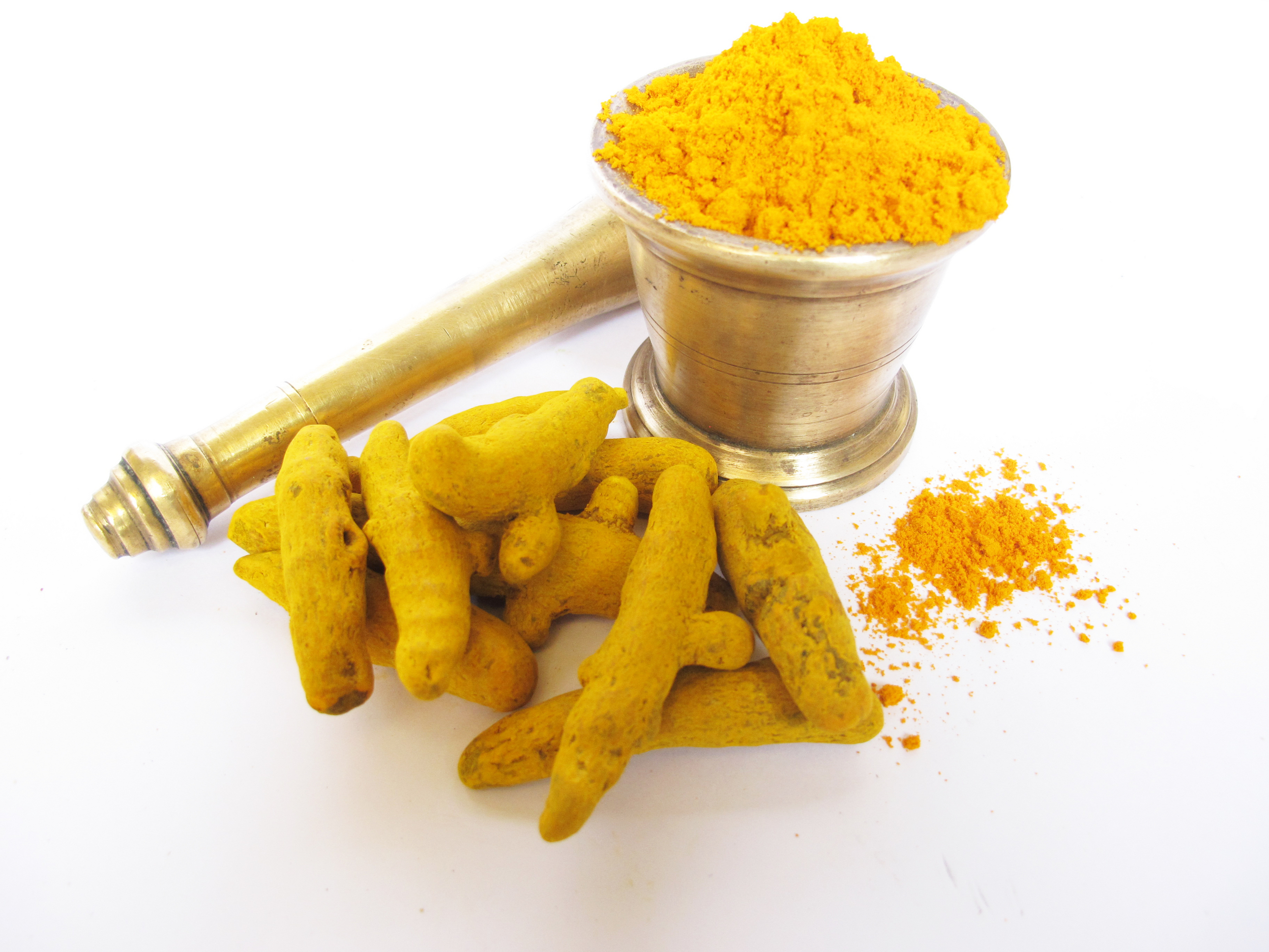
(5) Turmeric (curcumin): This is the most clinically tested and written about herb for any and all inflammation. Since most liver ailments are inflammatory, it's wise to include it in a liver healing protocol.

Curcumin capsules are readily available. But to ensure maximum absorption, get those that include piperine, an active ingredient from black pepper that helps extract nutrients from foods considerably.

Some also suggest emptying the curcumin capsule contents into a little extra virgin olive oil and downing it. Traditionally, turmeric is mixed with a heated fat, such as gee, milk, or coconut oil to enhance the bio-availability of turmeric's curcumin.

Sunday, September 15, 2013

10 Things the Processed Food Industry Doesn’t Want You to Know


10 Things the Processed Food Industry Doesn’t Want You to Know
http://www.chicagonow.com/nutrition-health-chicago-style/files/2012/05/No-Processed-Foods.jpg
By Dr. Mercola

Processed foods are typically loaded with excess sugar, salt, unhealthful fats, preservatives and other additives. 


But you probably know this already. What you may not know about processed foods is the extent of the havoc they can wreak on your body, a closely guarded secret that the processed food industry doesn’t want you to know.

In short, though they may taste good and be easy to prepare, when you eat processed foods you’re exchanging convenience for your health.

10 Processed-Food Secrets the Food Industry Doesn’t Want You to Know

In the featured article,1 Donna Gates, author of The Body Ecology Diet, explains 10 reasons why you might want to think twice the next time you’re tempted to eat processed foods.


1. They’re Addictive and May Cause You to Overeat

Processing modifies or removes important components of food, like fiber, water and nutrients, changing the way they are digested and assimilated in your body.

Unlike whole foods, which contain a mix of carbohydrates, fats, proteins, fiber and water to help you feel satisfied, processed foods stimulate dopamine, a feel-good neurotransmitter, making you feel good even though the food lacks nutrients and fiber. This artificial dopamine stimulation can lead to excessive food cravings and, ultimately, food addiction.

2. They’re Linked to Obesity

Processed foods are virtually guaranteed to contain additives that are linked to obesity. This includes monosodium glutamate (MSG), high-fructose corn syrup, artificial sweeteners and more. Plus, refined carbohydrates like breakfast cereals, bagels, waffles, pretzels, and most other processed foods quickly break down to sugar.,

This increases your insulin  and leptin levels, and contribute to insulin resistance, which is the primary underlying factor of nearly every chronic disease and condition known to man, including weight gain. 


3. They Break Principles of Food Combining

Some nutrition and health experts, such as Wayne Pickering, believe that eating foods in certain combinations helps your body’s digestive processes to work more efficiently and absorb more nutrients. Wayne actually constructed a very useful food combining chart that can be obtained on his website.  According to one such premise, eating proteins and starches together, which is common in processed foods (such as a pepperoni pizza), inhibits digestion leading to putrification of your food, acidic conditions in your blood and supports disease-causing pathogens in your gut.


4. Processed Foods Lead to an Imbalanced Inner Ecosystem

The microorganisms living in your digestive tract form a very important "inner ecosystem" that influences countless aspects of your health. Processed foods disrupt this system, suppressing beneficial microflora and leading to digestive problems, cravings, illnesses and chronic disease. Beneficial organisms in your gut thrive on whole, unprocessed foods. 


5. They’re Detrimental to Your Mood and Brain

Mood swings, memory problems and even depression are often the result of a heavily processed-food diet. In fact, the greatest concentration of serotonin, which is involved in mood control, depression and aggression, is found in your intestines, not your brain! Your gut and brain actually work in tandem, each influencing the other. This is why your intestinal health can have such a profound influence on your mental health, and vice versa – and why eating processed foods that can harm your gut flora can have a profoundly negative impact on your mood, psychological health and behavior.


6. Processed Foods Encourage ‘Eating on the Run’

Processed foods are quick and easy, making them ‘perfect’ to grab when you’re on the go. But eating on the go, or while you’re multi-tasking, can cause you to lose touch with your body’s natural signals telling you you’re full, leading to overeating and weight gain. It’s also more difficult for your body to digest properly when you’re busily engaged in other tasks.


7. Nutrition Labels Can be Misleading

A processed food may be labeled ‘natural’ or ‘sugar-free,’ but that doesn’t make it healthful. For instance, the natural food label on a processed food has no standard definition and really no meaning at all. A "natural" product is meaningless as it can legally be genetically modified, full of pesticides or made with corn syrup, additives, preservatives and artificial ingredients.

The US Food and Drug Administration (FDA) also allows processed food manufacturers to use absurdly tiny serving sizes on their labels, which can lull you into a false sense of security when it comes to determining how much of each stated nutrient or toxin, like trans fat, you're actually consuming. 


8. Processed Meats Are Linked to Cancer

Processed meats are those preserved by smoking, curing or salting, or the addition of chemical preservatives, which includes bacon, ham, pastrami, salami, pepperoni, hot dogs, some sausages and hamburgers (if they have been preserved with salt or chemical additives) and more. Particularly problematic are the nitrates that are added to these meats as a preservative, coloring and flavoring. 


The nitrates found in processed meats are frequently converted into nitrosamines, which are clearly associated with an increased risk of certain cancers. Meat cooked at high temperatures, as many processed meats often are, can also contain as many as 20 different kinds of heterocyclic amines, or HCAs for short. These substances are also linked to cancer. 


9. Processed Foods May Increase Your Risk of Infertility and Malnutrition

Because processed foods are stripped of nutrients your body needs, you could be eating a large number of calories but still become malnourished. In just three generations, a nutrient-deficient diet can lead to infertility, which is on the rise in the US.2 Plus, processed foods often contain genetically modified (GM) ingredients, which are also linked to reproductive problems.


10. Processed Foods Lead to a Long Shelf Life, Not a Long Human Life

Processed foods can last a long time on the shelf without going bad, thanks to their chemical cocktails of preservatives and other additives. Unfortunately, their makers put a lot of money and time into strategies to increase shelf life and create attractive packaging, with little attention put on the foods’ nutrient value or how it will actually detract from lasting health.


What Are the Worst Processed Food Additives?

When foods are processed, not only are valuable nutrients lost and dietary fiber removed, but the textures and natural variation and flavors are also lost. After processing, what's left behind is a bland, uninteresting "pseudo-food" that most people wouldn’t want to eat. 


Additives are added back in not only to slow spoilage, prevent fats and oils from going rancid, prevent fruits from turning brown, and fortify or enrich the food with synthetic vitamins and minerals to replace the natural ones that were lost during processing, but also to improve taste, texture and appearance. When reading product packages, here are some of the worst offenders to avoid if you want to protect your health (many of these are already banned in other countries due to health risks):

Ingredient
Found in
Health Hazards
Coloring agents: blue 1, blue 2, yellow 5, and yellow 6
Cake, candy, macaroni and cheese, medicines, sport drinks, soda, pet food, and cheese
Most artificial colors are made from coal tar, which is a carcinogen
Olestra (aka Olean)
Fat-free potato chips
Depletion of fat-soluble vitamins and carotenoids. Side effects include oily anal leakage
Brominated vegetable oil (aka BVO)
Sports drinks and citrus-flavored sodas
Competes with iodine for receptor sites in the body, which can lead to hypothyroidism, autoimmune disease, and cancer. The main ingredient, bromine, is a poisonous, corrosive chemical linked to major organ system damage, birth defects, growth problems, schizophrenia, and hearing loss
Potassium bromate (aka brominated flour)
Rolls, wraps, flatbread, bread crumbs, and bagel chips
See bromine above. Associated with kidney and nervous system disorders, gastrointestinal discomfort
Azodicarbonamide
Breads, frozen dinners, boxed pasta mixes, and packaged baked goods
Linked to asthma
BHA and BHT
Cereal, nut mixes, gum, butter, meat, dehydrated potatoes, and beer
BHA may be a human carcinogen, a cancer-causing agent. BHT can cause organ system toxicity
Synthetic hormones: rBGH and rBST
Milk and dairy products
Linked to breast, colon, and prostate cancers
Arsenic
Poultry
EPA classifies inorganic arsenic as a "human carcinogen"

A Simple Step-by-Step Guide to Ditching Processed Foods

When it comes to staying healthy, avoiding processed foods and replacing them with fresh, whole foods is the "secret" you've been looking for. This might sound daunting, but if you take it step-by-step as described in my nutrition plan it’s quite possible, and manageable, to painlessly remove processed foods from your diet.


Remember, people have thrived on vegetables, meats, eggs, fruits and other whole foods for centuries, while processed foods were only recently invented. Many of the top executives and scientists at leading processed food companies actually avoid their own foods for a variety of health reasons! 


I believe you, too, should spend 90 percent of your food budget on whole foods, and only 10 percent on processed foods (unfortunately most Americans currently do the opposite). This requires that you plan your meals in advance. Ideally, this will involve scouting out your local farmer's markets for in-season produce that is priced to sell, and planning your meals accordingly, but you can also use this same premise with supermarket sales. You can generally plan a week of meals at a time, make sure you have all ingredients necessary on hand, and then do any prep work you can ahead of time so that dinner is easy to prepare if you're short on time in the evenings (and you can use leftovers for lunches the next day).


Further, by cutting out these high-glycemic foods you can retrain your body to burn fat instead of sugar. However, it’s important to replace these foods with healthy fats, not protein—a fact that’s often not addressed. I believe most people may need between 50-70 percent of their daily calories in the form of healthful fats, which include:

Olives and olive oil
Coconuts and coconut oil
Butter made from raw grass-fed organic milk
Organic raw nuts, especially macadamia nuts, which are low in protein and omega-6 fat
Organic pastured egg yolks and pastured meats
Avocados


If cravings are a problem for you, please review my article about how to wean yourself off processed food in seven easy steps. If you're currently sustaining yourself on fast food and processed foods, this is one of the most positive life changes you could ever make.


Saturday, September 14, 2013

Olive Oil

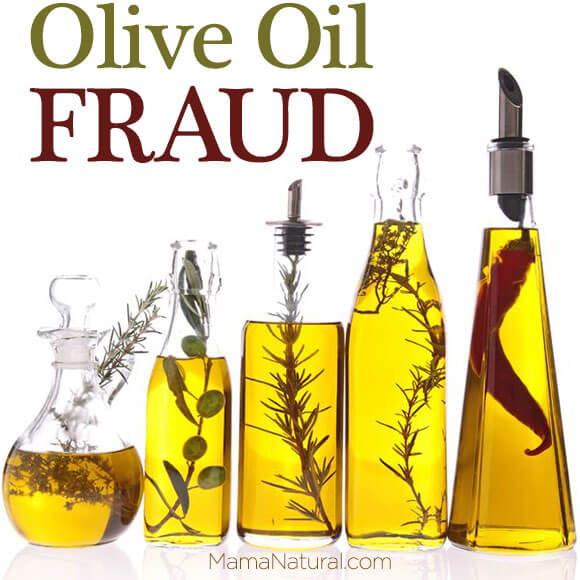
Olive Oil Scam REVEALED (And How To Spot The Real Stuff)

photo of bottles of olive oil, possibly fake

In April 2007, US Marshals burst into storage facilities in New York and New Jersey to seize a counterfeit and potentially dangerous substance.

The product they seized? Olive oil labeled as extra virgin – 10,000 cases of it. Turns out it was mostly soybean oil. The street value of this bust? Around $700,000.

Olive oil fraud is rampant
More than two-thirds of common brands of extra-virgin olive oil found in California grocery stores aren’t what they claim to be, according to a University of California at Davis study.

Instead, the oils were spoiled or made from lower quality olives unfit to be labeled “extra virgin.” Worse, some were outright counterfeits, made from soy, hazelnut, and even fish oils mixed with low grade olive-pomace oil.

Here’s a video I made about counterfeit olive oil


Why bother counterfeiting olive oil?
Olive oil is big business. Americans spend $700 million on olive oil annually.
Far more valuable than other vegetable oils, olive oil is also more costly and time consuming to produce. So people have been adulterating it since the time of Christ.

These days, olive oil is the most adulterated agricultural product coming out of Europe.

Part of what makes olive oil so valuable is its many health benefits. Rich in monounsaturated fats and antioxidants, olive oil can lower LDL cholesterol and blood pressure while stabilizing blood sugar levels and reducing inflammation in the body.

Is your olive oil lying about its virginity?

If you buy olive oil at a supermarket, the odds aren’t stacked in your favor. This is doubly true if you shop by price or consume “light” extra virgin olive oil. According to this NPR interview, it’s possible that some shoppers in America have never had 100% pure, extra-virgin olive oil in their lives – even though they’ve been buying products labeled that way for decades.

How to get real olive oil


  1. Avoid “Light” olive oil at all costs. This is the lowest quality olive oil on the plant.
  2. If you can find oils with the International Olive Oil Council certification, go for those.
  3. Buy Californian olive oils, which are far less adulterated than imported oil.
  4. Do your homework. Find a reputable company or source and buy small bottles from them.


What Olive Oils to Buy… and Avoid
 
In the UC Davis study, these brands failed to meet extra-virgin olive oil standards:

  • Bertolli
  • Carapelli
  • Colavita
  • Filippo Berio
  • Mazzola
  • Mezzetta
  • Newman’s Own
  • Pompeian
  • Rachel Ray
  • Safeway
  • Star
  • Whole Foods
In the same study, these olive oils met the extra-virgin standards:

Friday, September 13, 2013

Garden harvest 9/12/13

9/12/13 - today's harvest...5 big tomatoes and chocolate cherries. Made some more amazing salsa^_^

Thursday, September 12, 2013

Fetal exposure to BPA

Fetal exposure to BPA has now reached 100 percent; Plastics chemical contaminating everyone  

 http://nontoxicnest.files.wordpress.com/2011/10/sassy_bpa3-480x336.jpg

by Ethan A. Huff
New research published in the peer-reviewed journal Environmental Science & Technology completely debunks the government lie that the plastics chemical bisphenol-A (BPA) is neither harmful nor persistent in humans at current exposure levels. Originating out of California, this latest assessment of fetal exposure to BPA has concluded that 100 percent of both young and unborn children now have BPA circulating in their bloodstreams, suggesting universal exposure to this ubiquitous toxin.

The U.S. Food and Drug Administration (FDA) claims that BPA is fully metabolized by the liver upon exposure and thus rendered innocuous. But actual science reveals quite the contrary situation, as BPA typically ends up circulating in active form throughout the bloodstream. Additionally, the chemical manifests itself in multiple toxic forms, another shocking finding that was made possible using the latest in laboratory analysis techniques.

For the new research, umbilical cord blood samples were taken from 85 full-term, aborted babies in San Francisco and tested for BPA. The samples were found to contain both active BPA and various BPA metabolites. In three of the samples, BPA levels were detected at levels higher than have ever been detected in fetal blood tests. And for the first time ever, BPA sulfate, a metabolite of active BPA, was also found in cord blood samples, which came as a surprise to researchers.
"Our findings suggest universal fetal exposure to BPA in our study population, with some at relatively high levels, and we provide the evidence of detectable BPA sulfate in mid-gestation fetuses," wrote the scientists in their paper. "Our median BPA levels are similar to those measured in term umbilical cord serum from larger studies, [however] the concentrations of BPA in our study include the highest levels reported to date."

BPA likely responsible for epidemic of neurological, hormonal problems in children

The reason this is such a big deal is that BPA in its active form is a highly estrogenic substance. Previous studies have also found that the chemical can cause serious neurological damage and behavioral problems, particularly in young children and especially in young males. BPA's estrogenic nature can severely disrupt the endocrine system, potentially causing low testosterone and other hormonal imbalances.

As far as this latest study, it is the first of its kind to test mid-gestation blood samples for BPA. Previous studies have looked at blood samples taken from pregnant women, including from their amniotic fluid, placenta and cord blood, and found high percentages of BPA. But this study went a step further, proving that BPA is indeed present in human blood, and that this is not the result of testing errors or outside contamination.

"These results should go a long way toward dispelling the myth that all BPA in human blood is the result of accidental contamination during sampling," said Laura Vandenberg, a scientist at the University of Massachusetts in Amherst, referring to ridiculous claims made by some that detectable levels of BPA in blood samples must be due to laboratory contamination.

Since we now know that BPA persists in multiple active forms inside the body, and that it can be absorbed directly through the skin, the long-term implications for the health of future generations, including proper childhood development, appear dire. Recognizing this, many experts are now calling for a full ban on BPA, which is still added to metal food can linings, thermal paper receipts, plastic containers and a number of other consumer products that millions of people come into contact with every single day.

"Overall, our findings point to the importance of fetal exposure to BPA during development and the need to accurately assess the full range of human exposure during pregnancy," add the original study authors.

You can read the full abstract of the study here: http://www.ncbi.nlm.nih.gov

Wednesday, September 11, 2013

Garden & Harvest 9/10/13

9/10/13 - Raspberries going to bloom in a couple weeks  
9/10/13 - Oxheart tomato plant 
 9/10/13 - Dino kale...the caterpillars love it
 9/10/13 - 2nd Oxheart tomato plant 
 9/10/13 - my little helper
 9/10/13 - she found all the dead leaves
 9/10/13 - to pick them off the plant
 9/10/13 - and feed them to the bugs
 9/10/13 - giant Ananas Noire tomato
 9/10/13 - Corno di toro rosso pepper...2nd ready one
 9/10/13 - today's harvest...20 large tomatoes, chocolate cherry tomatoes, Red Russian kale, Dino kale, Curled Scotch kale and 1 Corno di toro rosso pepper
9/10/13 - today's harvest and my little helper
9/10/13 - today's large tomatoes and pepper

Tuesday, September 10, 2013

Wonders of Turmeric


New science proves turmeric does what chemotherapy can't: Kill multiple myeloma cells

 http://herbtherapies.files.wordpress.com/2011/09/dreamstime_l_13745164.jpg

A breakthrough discovery has been made in the treatment of multiple myeloma, an aggressive type of cancer that forms in the plasma cells of bone marrow. Researchers from Virginia Commonwealth University (VCU) in Richmond recently found that, when combined with molecules from the anti-nausea drug thalidomide, turmeric, the active ingredient of which is commonly known as curcumin, is capable of targeting and killing multiple myeloma cells naturally.

Shijun Zhang, an assistant professor at the Department of Medicinal Chemistry at the VCU School of Pharmacy, and his colleagues made this discovery after experimenting with compounds derived from the two substances. The purpose of this was to see whether or not a more potent form of medicinal turmeric could be developed. As you may recall, thalidomide was used back in the 1950s as an anti-nausea medication to treat morning sickness, that is, until it was realized that the drug had been responsible for causing widespread birth defects in children.

However, certain molecules contained in this controversial drug appear to be useful in boosting the efficacy of turmeric, all without causing any harm to patients. Utilizing a process that basically hybridizes molecules from the two substances to create a single master compound, researchers were able to develop a type of "super" turmeric that is exceptionally potent against cancer. And the best part is that any thalidomide components remaining in the compound are effectively disintegrated inside the body.

"Although thalidomide disturbs the microenvironment of tumor cells in bone marrow, it disintegrates in the body," says Zhang. "Curcumin, also active against cancers, is limited by its poor water solubility. But the combination of thalidomide and curcumin in the hybrid molecules enhances both the cytotoxicity and solubility."

Optimizing the healing potential of natural plants and herbs: the future of sustainable medicine

Molecule hybrids that involve utilizing the medicinal aspects of natural plants and herbs like turmeric have been gaining more attention in recent years, as the traditional drug approach is failing to provide real solutions for today's most serious diseases. Such diseases, which include things like cancer and neurodegenerative disease, simply do not respond well using conventional methods, so progressive researchers and healers are looking for new ways to treat patients.

As far as the medicinal potential of turmeric is concerned, Dr. Grant and his colleagues were able to create more than 15 different hybrid compounds that perform various anti-cancer functions. Among these, two hybrid compounds in particular, referred to as "5" and "7" in the study, demonstrated improved and superior cell toxicity compared to just curcumin alone or a combination of curcumin and thalidomide, effectively inducing multiple myeloma cell death.

"Overall, the combination of the spice and the drug was significantly more potent than either individually, suggesting that this hybrid strategy in drug design could lead to novel compounds with improved biological activities," says Dr. Steven Grant, M.D., another one of the study's researchers. "Enhanced potency, reduced risk of developing drug resistance, improved pharmacokinetic properties, reduced cost and improved patient compliance are just a few of those advantages."

"The results ... strongly encourage further optimization of compounds 5 and 7 to develop more portent agents as treatment options for multiple myeloma," adds Dr. Grant.