Monday, January 7, 2013

9 foods you should never eat

frozen collage Frozen Food Is Bad For Your Health
With so much misinformation out there about food and how it affects human health, making healthy food choices for you and your family can be difficult and confusing. There are a number of specific foods; however, that you will want to avoid in almost every circumstance because they provide virtually no health benefits while posing plenty of health risks. Here are nine foods you should never eat again if you care about preserving your long-term health:

1) White bread, refined flours. By definition, white bread and refined flours in general are toxic for your body because they have been stripped of virtually all vitamins, minerals, fiber, and other important nutrients. Because of this, the body does not know how to properly digest and assimilate these so-called foods, which can lead to health problems. Refined white flour has also been bleached with chlorine and brominated with bromide, two poisonous chemicals that have been linked to causing thyroid and organ damage. (http://drlwilson.com/ARTICLES/BREAD.htm)

2) Conventional frozen meals. Most conventionally-prepared frozen meals are loaded with preservatives, processed salt, hydrogenated oils and other artificial ingredients, not to mention the fact that most frozen meals have been heavily pre-cooked, rendering their nutrient content minimal at best (especially after getting microwaved again at home). With the exception of a few truly healthy frozen meal brands such as Amy's and Organic Bistro, most frozen meals are little more than disease in a box, so avoid them in favor of fresh foods. (http://www.4us2be.com)

3) White rice. Like white bread, white rice has been stripped of most of its nutrients, and separated from the bran and germ, two natural components that make up rice in its brown form. Even so-called "fortified" white rice is nutritionally deficient, as the body still processes this refined food much differently than brown rice, which is absorbed more slowly and does not cause the same spike in blood sugar that white rice does. (http://globalnaturopath.com)

4) Microwaveable popcorn. This processed food is a favorite among moviegoers and regular snackers alike, but it is one of the unhealthiest foods you can eat. Practically every component of microwaveable popcorn, from the genetically-modified (GM) corn kernels to the processed salt and preservative chemicals used to enhance its flavor, is unhealthy and disease-promoting. On top of this, microwaveable popcorn contains a chemical known as diacetyl that can actually destroy your lungs. If you love popcorn, stick with organic kernels that you can pop yourself in a kettle and douse with healthy ingredients like coconut oil, grass-fed butter, and Himalayan pink salt. (http://www.naturalnews.com)

5) Cured meat products with nitrates, nitrites. Deli meats, summer sausage, hot dogs, bacon, and many other meats sold at the grocery store are often loaded with sodium nitrite and other chemical preservatives that have been linked to causing heart disease and cancer. If you eat meat, stick with uncured, nitrite and nitrate-free varieties, and preferably those that come from organic, grass-fed animals. (http://www.naturalnews.com/028824_processed_meat_heart_disease.html)

6) Most conventional protein, energy bars. By the way they are often marketed, it might seem as though protein and energy bars are a strong addition to a healthy diet. But more often than not, these meal replacements contain processed soy protein, refined sugar, hydrogenated fat, and other harmful additives that contribute to chronic illness. Not all protein and energy bars are bad, of course -- Thunderbird Energetica, Organic Food Bar, Boku Superfood, Vega Sport, PROBAR, and Zing all make healthy protein and energy bars. Just be sure to read the ingredient labels and know what you are buying.

7) Margarine. Hidden in all sorts of processed foods, margarine, a hydrogenated trans-fat oil, is something you will want to avoid at all costs for your health. Contrary to popular belief, butter and saturated fats in general are not unhealthy, especially when they are derived from pastured animals that feed on grass rather than corn and soy. And if animal-based fats are not for you, stick with extra-virgin coconut oil or olive oil rather than margarine. (http://www.naturalnews.com/027865_saturated_fat_health.html)

8) Soy milk and soy-based meat substitutes. One of the biggest health frauds of modern times, the soy craze is a fad that you will want to skip. Besides the fact that nearly all non-organic soy ingredients are of GM origin, most soy additives are processed using a toxic chemical known as hexane, which is linked to causing birth defects, reproductive problems, and cancer. Soy that has not been fermented is also highly estrogenic, which can throw your natural hormone balance out of whack. (http://www.naturalnews.com/026303_soy_protein_hexane.html)

9) "Diet" anything. Many so-called "diet" products on the market today contains artificial sweeteners like aspartame (Equal) and sucralose (Splenda), both of which are linked to causing neurological damage, gastrointestinal problems, and endocrine disruption. Many diet products also contain added chemical flavoring agents to take the place of fat and other natural components that have been removed to artificially reduce calorie content. Instead, stick with whole foods that are as close to nature as possible, including high-fat foods grown the way nature intended, and your body will respond surprisingly well.


Sunday, January 6, 2013

Chickenpox and Sunshine

 
By Dr. Mercola
If your child comes down with a case of the chickenpox, which is, by the way, a mild disease without complications for the vast majority of healthy children, a healthy dose of natural sunlight may be just what the doctor ordered.
In tropical countries, chickenpox is actually far less common, and less easily spread, than in countries with cold seasons -- and increased exposure to ultraviolet (UV) light, i.e. sunshine, appears to be the reason.

Sun Exposure May Help Stop the Spread of Chickenpox

After examining data from 25 studies on the varicella-zoster virus, which causes chickenpox, University of London researchers found a clear link between UV levels and the prevalence of chickenpox, with chickenpox rates far less common in the tropics where exposure to sunlight is common year-round.
In temperate regions, chickenpox also tends to flare up more often in the cold-weather months, when sunlight is scarce.
Writing in the Virology Journal, researchers noted:
"Chickenpox is seasonal in temperate zones, with the highest incidence seen in winter and spring.  One explanation for this seasonality could be the significantly higher levels in ultra-violet radiation (UVR) of approximately 10-25-fold seen in summer in temperate zones, which could inactivate virus either in vesicular lesions or after their rupture."
The effect is likely two-fold, as not only is sunlight able to destroy many viruses directly, but it also enables your body to produce vitamin D, which gives you further anti-viral and immune-boosting benefits.
Many are not aware that prior to the advent of antibiotics about 70 years ago one of the only effective treatments for tuberculosis was sunlight.  In fact there were many TB solariums that were created specifically to use sunlight to treat TB. The sun exposure produced improvement in those with TB similar to the mechanisms discussed in this article for chickenpox.

UV Light Shown to Reduce Spread of Chickenpox in Schools Over 60 Years Ago

You may have heard the advice that hanging your laundry outside to dry in the sun is one of the best ways to get your clothes truly clean and fresh, and this is true because sunlight is a natural disinfectant. Along those lines, direct sunlight exposure on your skin may also provide "disinfectant" benefits such as deactivating viruses, including chickenpox, by breaking down their cell walls.
In fact, a study published in 1949 revealed that ultraviolet radiation successfully reduced the transmission of the chickenpox virus in U.S. schools, helping to limit its spread! And some air purification and water treatment systems currently use ultraviolet light to eliminate airborne or waterborne pathogens.

Sun Exposure Increases Your Vitamin D -- Another Virus Fighter

The other reason why people in the tropics may be less likely to catch and spread the chickenpox is because their year-round sun exposure allows them to maintain healthier levels of vitamin D. In cold-weather climates, on the other hand, vitamin D deficiency is an epidemic.
If you're vitamin-D-deficient, and many are, your immune system will not activate to do its job. Contrary to common belief, vitamin D does much more than just support healthy bones; vitamin D  functions in many different tissues and affects a large number of different diseases and health conditions. So far, scientists have found about 3,000 genes that are regulated by vitamin D – that's more than 1 in every 10 genes in your entire genome!
Just one example of an important function that vitamin D up-regulates is your ability to fight infections, including the flu. At least five studies show an inverse association between lower respiratory tract infections and vitamin D levels. That is, the higher your vitamin D level, the lower your risk of contracting colds, flu, and other respiratory tract infections. It makes sense, therefore, that this would extend to other viral infections like chickenpox as well.
As I've stated before, your body was designed to benefit from sunlight exposure. Given adequate levels, your skin is able to produce a wide range of infection fighting substances, including defensins, cathelicidin, and the lesser known  cholesterol sulfate.  As Dr. Stephanie Seneff, a senior scientist at MIT, explained:
"I think of the skin as a battery – or solar panel you might say – taking in the sun's energy and saving it in the form of the sulfate molecule storing the energy in the sun … I have a lot of thoughts about what sulfate does. One thing I'm quite sure of is that cholesterol sulfate is highly protective against bacterial and virus invasions. That's why sun exposure protects you from infection. It strengthens your immune system. That cholesterol sulfate is incredibly important to immunity."
The important factor when it comes to vitamin D is your serum level, which should ideally be between 50-70 ng/ml year-round. For more tips on how to optimize your vitamin D levels -- ideally through sun exposure or the use of a safe tanning bed  -- see this past article How to Get Your Vitamin D Levels to a Healthy Range. However, keep in mind that for children, becoming infected with the chickenpox virus is not necessarily something that should be avoided, especially by way of vaccination, as natural exposure provides subsequent, and safe, long-lasting immunity.

Sunlight Might Not Be Best Once You Have Active Pox Lesions

Although it is wonderful to have confirmation of the power of vitamin D in the treatment of infectious diseases that have typically been fought with vaccines, there is one caution about using sunlight as therapy for someone with active lesions. 
Actually this is true for any open wound on the skin regardless if it is caused by a viral infection or a traumatic wound. Sunlight will tend to cause the wound to scar, so it is probably best to actually avoid sunlight if you have pox lesions.  However, anyone exposed to the virus without lesions could still use sunshine as a therapy. So if you or your child has active pox lesions it would likely be better to take oral vitamin D at the rate of 8,000 units a day for a typical adult and proportionately lower based on weight for a child.

Is Natural Exposure to Chickenpox Preferable to Vaccination?

As is true with many new and potentially unnecessary medical interventions used on a widespread basis, there are often unintended, adverse consequences. The chickenpox (varicella) vaccine is a perfect example.
Chickenpox is highly contagious but typically produces a mild disease characterized by small round lesions on your skin that cause intense itching. Chickenpox lasts for two to three weeks, and recovery leaves a child with long-lasting immunity. Further, some healthy children may have only minimal symptoms (such as a low fever and headache) without manifestation of blisters, indistinguishable from a mild case of the flu.
So, even in the vast majority of children who do NOT get the chickenpox vaccine and who have negative or unknown chickenpox histories, they wind up immune to chickenpox anyway. In fact, researchers have concluded that most 10-year-old children with negative or unknown histories of chickenpox are already immune!
Up to 20 percent of adults who get chickenpox develop severe complications such as pneumonia, secondary bacterial infections, and brain inflammation (which is reported in less than one percent of children who get chickenpox). Most children and adults who develop these serious complications have compromised immune systems or other health problems. Still, it is because chickenpox can be serious in adults that it is often regarded as preferable to get it as a child, as opposed to later in adulthood. Using a vaccination to prevent chickenpox in childhood is proving to be problematic, however, for several reasons:
  1. Chickenpox vaccine provides only temporary immunity, not the longer lasting immunity you get when you recover naturally from chickenpox.
  2. The vaccine is not 100 percent effective. When the chickenpox vaccine was licensed for public use in 1995, the Food and Drug Administration (FDA) estimated it was 70 to 90 percent effective in preventing disease. The Centers for Disease Control (CDC) later reported, "The effectiveness of the vaccine is 44 percent against disease of any severity and 86 percent against moderate or severe disease."
    But the vaccine may be LESS effective than that—around 40 percent—according to an investigation of a chickenpox outbreak among 23 children at a New Hampshire daycare center. The outbreak began with a child who had already been vaccinated.
  3. The chickenpox vaccine can cause serious injury and death. Four percent of reported adverse events (about 1 in 33,000 doses) after chickenpox vaccination involve serious health problems such as shock, encephalitis (brain inflammation), and thrombocytopenia (a blood disorder). At least 14 deaths have been reported. In fact, there are at least two dozen documented adverse effects of chickenpox vaccination in the medical literature.

Another Unintended Consequence of Chickenpox Vaccination

After contracting and recovering from chickenpox (usually as a child), your natural immunity gets asymptomatically "boosted" by coming into contact with infected children, who are recovering from chickenpox. This natural "boosting" of natural immunity to the chickenpox virus helps protect you from getting shingles -- a painful and potentially serious disease -- later in life.
In other words, shingles can be prevented by ordinary contact, such as receiving a hug from a grandchild who is getting or recovering from the chickenpox. But with the advent of the chickenpox vaccine, there is less chickenpox around to provide that natural immune boost for children AND adults. So, as chickenpox rates have declined, shingles rates have begun to rise, and there is mounting evidence that an epidemic of shingles is developing in America from the mass, mandatory use of the chickenpox vaccine by all children.
For more information on varicella and chickenpox vaccine, see the National Vaccine Information Center’s new Chickenpox page.

If Your Child Comes Down With Chickenpox …

First, don't panic. Remember this is a common illness that is typically mild if your child is otherwise healthy, and it should resolve in two to three weeks without complications or medical treatment. During this time, a cool or lukewarm bath with baking soda added may help to relieve symptoms, such as itching. Be sure your child does not scratch any sores, as this can lead to scarring or infection (putting gloves or socks on your child's hands may help with this).
Also, be sure you do NOT give aspirin to your child, as this is associated with the development of Reye's syndrome, which can cause brain damage and death. Also avoid ibuprofen, which is linked to more severe secondary infections in children with chickenpox.

Saturday, January 5, 2013

Prevent cancer naturally

How to prevent cancer with everyday foods

The best way to treat disease is to prevent it from ever forming in the first place. And one of the primary ways to effectively prevent disease from forming is to eat foods that are rich in disease-fighting vitamins, minerals, enzymes, and antioxidants, all of which create conditions inside the body that are unfavorable for the onset of chronic illness. Particularly with cancer, which is now estimated to afflict as many as one in two people throughout their lifetime, eating plenty of foods with proven anti-cancer benefits can make all the difference in determining whether or not you will live a vibrant, disease-free life, or become just another statistic of the "sick-care" industry.

What makes this somewhat difficult; however, is the fact that much of the modern food supply has become heavily tainted with pesticides and herbicides, genetically-modified organisms (GMOs), artificial chemicals, and various other toxins that are directly linked to causing cancer. So in order to make this work, you will need to focus on obtaining 1) clean, organic, chemical-free fruits and vegetables for you and your family. Apples, lettuce, strawberries, peaches, blueberries, celery, and various other soft and porous produce items tend to retain the highest levels of chemical residues, so it is especially important to purchase organic varieties of these items. (http://www.ewg.org/foodnews/)

Since cancer requires an "acidic" bodily state in order to thrive, it is also important that you 2) eat plenty of alkaline-forming foods such as organic fruits and vegetables, mineral water, and raw almonds. At the same time, you will want to specifically 3) avoid eating acid-forming foods, which include things like processed vegetable oils, refined sugars, processed flours, coffee, and alcohol. Maintaining a proper acid-alkaline balance is something your body is already pre-programmed to do, of course, but feeding it the nutrients it needs to ensure an optimal balance is critical for thwarting cancer. (http://www.naturalnews.com)

As far as specific anti-cancer foods you can consume, 4) cruciferous vegetables like cabbage, kale, cauliflower, broccoli, and Brussels sprouts are superior when it comes to blocking the formation of cancer tumors. These vegetables' sulforaphane content alone, which is even more amplified when they are eaten in sprout form, has been shown to have a prolific ability to destroy and eradicate cancer cells. A recent study out of Texas, for instance, found that sulforaphane is highly effective at treating childhood leukemia (http://www.naturalnews.com/038397_broccoli_sulforaphane_leukemia.html). Cruciferous vegetables are also loaded with other powerful antioxidants and phytochemicals that detoxify carcinogens from the body before they even get the chance to damage cells.

5) Eating organic apples every day has also been shown to help prevent cancer, as this fruit's unique combination of fiber, free radical-fighting antioxidants, and phenolic compounds kill cancer cells and inhibit their spread. Apple peels by themselves have been shown to contain at least 12 anti-cancer nutrients that protect the liver, colon, breasts, and other organs against cancer (http://www.naturalnews.com/022443_triterpenoids_anti-cancer_food.html). Apple seeds are also loaded with an anti-cancer compound known as amygdalin, which is also found in almonds, peach pits, and other fruit seeds, that basically trick cancer cells into dying by releasing deadly toxins from their glucose component. (http://www.naturalnews.com/035554_laetrile_cancer_cure_cyanide.html)

Though not technically a "food," per se, 6) clean, fluoride-free, alkaline water, and lots of it, is vital for preventing cancer. Not only does your digestive system rely on a steady stream of clean water to dilute toxic compounds in the bowel and flush them from your system, but your cells also require water to stay hydrated. And since electrolyte compounds are necessary for both intracellular and extracellular hydration, adding a little bit of 7) trace mineral-rich sea salt and coconut powder to your water every day can help maximize hydration and optimize your body's physiological balance. (http://www.cancer.net)

It also might be worth your while to 8) follow the protocols of the Gerson Diet, which was developed by the late Dr. Max Gerson for the purpose of preventing and treating cancer. As we covered recently here at Natural News, the Gerson Diet promotes full-body detoxification in conjunction with the heavy input of nutrients via juicing and the consumption of whole, organic foods (http://www.naturalnews.com/038261_Gerson_cancer_cures.html). A key component of the Gerson Diet diet will require that you 9) regularly take coffee enemas as well, for the purpose of directly flushing your liver, colon, and other vital organs of built-up toxins so they can function at full capacity. (http://www.naturalnews.com/022905_coffee_body_water.html)

For general cancer prevention in a far less regimented form, the Gerson Institute recommends abiding by its "Guidelines for General Nutrition from the Gerson Persepctive," which incorporates a diet that is 75 percent composed of fresh, organic vegetables and fruits, and to a lesser extent potatoes, whole-grain breads (if you are not allergic to wheat or gluten), and organic dairy products. The other 25 percent of the diet may include foods like grass-fed meats, fish, pastured eggs, nuts, and the occasional sweet treat. (http://gerson.org)


Friday, January 4, 2013

Healing colds naturally

In today's society we are used to going to the doctor only when we are sick (sick care), instead, we need to focus on preventative care. Do you want to mask symptoms or get the underlying problem fixed? Treating problems before they surface is more effective and cheaper. Boost your immune system year round with supplementation and chiropractic care to minimize sickness.


Food as medicine

Onion: Red/Yellow; contain flavonols and quercetin, powerful antioxidants that help to decrease histamine release. Sulfur found in onions and garlic have anti-inflammatory properties which help to ease aches, pains and congestion caused by the cold/flu.

Garlic: Contains allicin, an antioxidant with anti-viral, anti-bacterial, anti-fungal capabilities. Helps to shorten and reduce cold symptoms. Allicin becomes active after being chopped/minced/crushed and is destroyed at high temperatures, so try to sprinkle freshly chopped garlic in soups, on pizza/pasta, etc. Allow garlic to "sit" for 10 minutes before ingesting to allow immune-boosting properties to become activated.

Echinacea: Fights inflammation, bacterial/viral infections; boosts the immune and lymphatic systems by stimulating white blood cells. It can help to reduce the duration of a cold by several days when taken at the first sign of symptoms.

Zinc lozenges: Decrease cold duration and helps to attack nose and throat viruses while boosting overall immunity. Take at the first sign of a cold for best results.

Goldenseal:
Contains the anti-fungal phytochemical, Beribine, which fights infection/inflammation and helps to strengthen the immune system. It can be found in combination with Echinacea; alcohol-free varieties are best. (Note: not to be taken for extended periods of time; take as directed by your healthcare provider.)

Honey: Boosts immunity by fighting viruses/bacteria. "In a Penn State University College of Medicine study, researchers found honey to be more effective than dextromethorphan (a cough suppressant) at reducing the frequency and severity of nighttime coughing" (Lissandrello, 2008). (Note: not for children under 12 months old.)

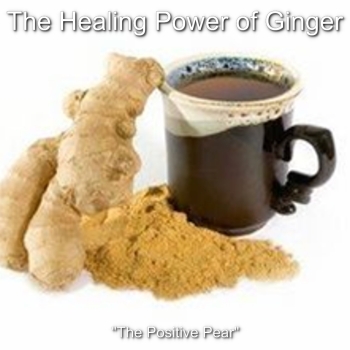
Ginger:
Contains anti-inflammatory phenols, gingerols and shogaols to help relieve cold/flu aches. Ginger also helps to decrease fever, eliminate toxins and allows the body to sweat, without the harsh side effects of ibuprofen. Use in teas/meals; fresh is best.

Cayenne: Well known to help with joint pain, it also contains antiseptic properties to ease sore throats and decrease congestion by thinning mucus. (Note: not for nursing mothers or children under two years old.)

Astragalus: (Herb) promotes white blood cell production to fight infection.

Avoid sugar: Suppresses our immune systems and feeds bacteria.

Kiwi: High in vitamin C and can reduce the severity and duration of upper respiratory infections.

Siberian ginseng:
A known adaptogen, allowing the body to restore balance and helps to strengthen the immune system.

Probiotics: Healthy bacteria for vital for our bodies; suggested dosage is 3-5 billion live organisms daily. (Yogurt only contains 100-200 million organisms and less effective strains, along with excessive amounts of sugar and additives).

Year round health

Minimizing and eliminating sugar, processed foods, refined carbohydrates, dairy products, preservatives/artificial chemicals will help to decrease stress placed on our bodies. Eating more vegetables, fruits, and incorporating different vitamins/herbs/minerals/spices into your daily lives for overall health is essential. Seeing your chiropractor regularly to make sure your nervous system is functioning optimally is also important for overall wellness. Chiropractic adjustments help to reduce dysfunction and allow your body to heal itself.

Keeping your immune system running at its best will help to prevent sickness. Fueling your body with the nutrients it needs on a daily basis, not only when you are sick, will help with overall health. Taking a variety of herbs and vitamins at the first sign of sickness is important to help decrease the intensity and duration of colds. Getting sick a few times a year doesn't have to be the norm; think about boosting your immune system year round to minimize the not so inevitable common cold.


Thursday, January 3, 2013

Magnesium


Magnesium has been called the "master mineral" because it is involved with over 300 metabolic functions within our bodies. Yet, everyone who relies on commercially farmed, depleted topsoil crops is magnesium deficient. Organic crops have considerably more magnesium content than what Big Ag can offer.

As a supplement, magnesium is also vastly underrated. It seems the manic thrust for calcium supplementation exceeds the mild interest toward magnesium. But excessive calcium supplementation leads to a lot of health issues, including bone problems.

Calcium is also lost without magnesium to help guide it. Free floating calcium in the blood and calcifying soft tissue, such as inner arterial walls and heart chambers, instead of accumulating in bone matter. Recent studies indicate excess calcium consumption causes cardiac issues.

Health practitioner and author, Mark Sircus, OMD, puts it this way: "Inside chlorophyll is the lamp of life and that lamp is magnesium. The capture of light energy from the sun is magnesium dependent." Foods grown in decent topsoil and superfoods high in chlorophyl are good sources of magnesium.

After examining a few reasons why your magnesium level needs to be high, some methods of supplementing magnesium will be reviewed.


Six areas of health that cannot do without magnesium

(1) Magnesium helps control heart beat rhythms. Low magnesium leads to arrhythmia, palpitations, atrial fibrillation, or even sudden cardiac arrest. It also acts as a calcium channel blocker for the heart and protects against heart muscle spasms.

(2) Magnesium deficiency can affect the nervous system beyond improperly timed heart muscle stimulation. Mental irritability and muscular tension can consume someone who's lacking sufficient magnesium.

(3) Magnesium is essential to glutathione production in the body from properly provided precursors, such as NAC. The master mineral magnesium helps provide the master antioxidant glutathione.

Glutathione is able to revitalize all other antioxidants that have scavenged their fill of electron radicals and recycle them back into doing their business again. Very vital for overall immunity.

(4) Research has uncovered a common thread among fibromyalgia sufferers, they are usually very low in magnesium.

(5) Magnesium deficiency is also common amongst Type II diabetes sufferers. With heavy magnesium supplementing, diabetes peripheral neuropathy symptoms and coronary artery disease improve. Insulin sensitivity improves and fasting glucose levels decline when magnesium is supplemented.

(6) Twitches, spasms, convulsions, restless leg syndrome, sensitivity to light or sound, hypertension, and a multitude of nervous system symptoms that can be attributed to other diseases may all be from magnesium deficiency. Magnesium affects the brain and nervous system in many unimagined ways.

Supplementing magnesium

Magnesium from supplements is tricky, but usually necessary. The problem is magnesium supplements are not so easy to assimilate and absorb where needed. This issue has given rise to transdermal magnesium oil (magnesium chloride), which is applied topically and absorbed into the blood through the skin.

It's actually not an oil. It just feels like it; slippery stuff. Magnesium oil is a high concentration of magnesium from ancient sea beds that are often underground. It can be sprayed or rubbed onto the skin wherever it's comfortable. It irritates a few people's skins. So it's wise to sample a small amount before buying a gallon or less.

A cheaper transdermal method for taking in magnesium is through Epsom salt baths. Some use it orally on occasion to ease muscular tension and restlessness upon retiring. But Epsom salt's magnesium is packaged with some impurities, so use with caution.

GreenMedInfo.com recommends magnesium glycinate as a highly bio-available oral magnesium supplement. Pricier oral solutions for immediate magnesium absorption that advances rapid relaxation come with various magnesium citrate formulas, such as Natural Calm, A to B Calm, and Cal-Mag.

Wednesday, January 2, 2013

Lower Blood pressure naturally

How to lower your blood pressure without prescription drugs

It is no secret that chronic high blood pressure, whatever its particular root cause, can lead to heart disease, which is said to be the leading cause of death in America today. But what remains a secret, at least to many people, is how to deal with this condition naturally apart from pharmaceutical drug interventions, which the establishment often claims is the only effective remedy for lowering blood pressure. Here are four ways to help naturally lower your blood pressure without the need for prescription drugs:

1) Eat lots of garlic and onions, take garlic supplements. Writing for Mother Earth News in a 1997 review, Christopher Nyerges explains how eating lots of garlic and onions, two onion types from the medicinal Allium genus, can help thwart hypertension, lower circulating cholesterol, and prevent influenza and various other health conditions. Citing numerous scientific studies and a cohort of information he gathered from various medical journals and doctors, Nyerges highlights the ability of both garlic and onions to quell the arterial inflammation that often leads to high cholesterol, as well as prevent the sticking together of blood platelets following high-fat meals that may lead to clotting.

"Fresh garlic cells contain the amino acid alliin, considered to be the most active garlic constituent. When those cells are broken, as in crushing or mincing the cloves, alliin is converted to allicin by the enzyme allinase," explains Robert E. Kowalski in his book The Blood Pressure Cure: 8 Weeks to Lower Blood Pressure without Prescription Drugs. "It appears that the allicin is effective in the treatment of hypertension by causing smooth muscle relaxation in arteries, as well as vasodilation, the widening of those arteries, allowing a freer flow of blood upon demand."

2) Supplement with hawthorn herb. A member of the rose family, hawthorn (Crataegus species) has an extensive history of use as a natural medicine for the prevention and treatment of heart disease. Specifically as it relates to blood pressure, both the berries and leaves of the hawthorn plant help not only to protect blood vessels from hardening, but also to dilate blood vessels and improve blood flow. (http://www.umm.edu/altmed/articles/hawthorn-000256.htm)

"Hawthorn is a heart tonic -- period. First of all, it is a mild coronary vasodilator, increasing the blood supply to the heart muscles and lessening the potential for spasms, angina, and shortness of breath in middle-aged or older individuals," explains herbalist Michael Moore in his comprehensive book Medicinal Plants of the Pacific West.

"I have seen it help the middle-aged mesomorph, with moderate essential hypertension, whose pulse and pressure are slow to return to normal after moderate exertion and whose long, tiring days leave the pulse rapid in the evening. It will gradually help to lower the diastolic pressure and quiet the pulse ... The benefits take weeks or even months to be felt, but are well maintained, not temporary."

3) Replace the grains in your diet with root vegetables. It is a popular misconception that grains play little or no role in the development of hypertension -- some doctors, in fact, actually recommend grains to their patients. But science pretty clearly illustrates that high-grain diets, especially those that are also "low fat," are a direct cause of insulin resistance, which is characteristic of out-of-control blood sugar levels. Cutting out the grains, including even whole grains, and replacing them with root vegetables like sweet potatoes, carrots, and beets could help drastically lower your blood pressure.

Root vegetables are typically rich in potassium, a mineral that has been shown in numerous scientific studies to help normalize blood pressure. In fact, one of the primary causes of high blood pressure is mineral deficiency, which can quite easily be rectified through dietary modifications that incorporate more mineral-rich foods like root vegetables. (http://www.naturalnews.com/027407_potassium_blood_pressure.html)

"Both epidemiologic and clinical studies have suggested that an increase in potassium intake may lower blood pressure," wrote the authors of a 1991 study published in the Journal of Hypertension. "[A]n increase in potassium intake should be included in the recommendations for a non-pharmacological approach to the control of blood pressure in uncomplicated essential hypertension." (http://www.ncbi.nlm.nih.gov/pubmed/1649867)

4) Cut out the refined sugar and take more magnesium. Refined sugar, and fructose in particular, is a killer when it comes to high blood pressure. Excess sugar consumption can lead to insulin resistance, which is directly linked to high blood pressure. Sugar also prevents magnesium from properly nourishing the cells, a process that is essential for the normal relaxation of blood vessels. Cutting out sugar and supplementing with high-quality, non-GMO magnesium citrate, for instance, can help restore your magnesium reserves and normalize your blood sugar levels, which in turn will help balance your blood pressure.


Tuesday, January 1, 2013

What to do when sick

Happy New Year!
I'd like to start off the new year with a video by one of my favorite people, Teal Scott, address what to do when you're sick.