Tuesday, December 6, 2011

Gluten/Dairy Free chocolate crepes


Ingredients
1 1/3 cup ThePurePantry Gluten Free Organic Buckwheat Flax pancake mix
2 eggs
1 3/4 cups almond milk
1 tbs coconut oil
Gluten free dairy free chocolate chips

Recipe
Mix all ingredients and beat well until all the lumps are out.  I followed the crepe recipe on the back of the package:) They list a recipe for waffles and pancakes too. I melted the coconut oil under warm running water to a liquid for better mixing. You can use any cooking oil of your preference.  

Then set your pan on the burner at medium-low heat and put a little bit of oil so the crepe doesn't stick (I used a spray of organic olive oil for this part). I then poured just enough batter to cover the pan swirling the pan around to make it as thin as I could...the batter was quite thick and gummy, but made great light crepes!

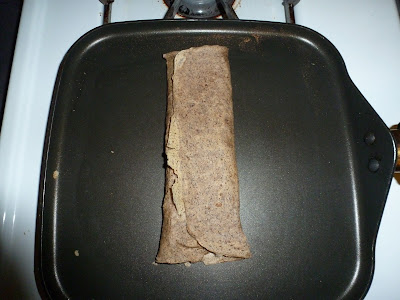
After a minute or two, when holes appear on the surface, flip the crepe over and add the chocolate chips down the middle...give it about 30 seconds before flapping the sides over it to make the complete wrap. See photos below. 
Best served warm when the chocolate is still melty and the crepe light and warm!

 All ingredients...I then used olive oil spray to grease the pan
 Mix all ingredients until smooth
 Add enough batter to thinly cover your pan or to your size preference...swirl pan around or use a spoon or spatula to thin out the batter
 Once bubbles (holes) cover the whole surface it's about ready to flip...test the sides using a spatula to see it it's all held together for an easy flip
 Add the chocolate chips as soon as it is flipped to give it a minute to melt
 Then flip the sides over...one at a time
 They are then ready to eat:)
    
Delicious!

Fill and top the crepe with anything you please
My niece chose peanutbutter and fruit spread


About the Mix

Organic Buckwheat Flax Pancake and Baking Mix   $5.99

Product Description
Our Buckwheat Flax Pancake and Baking Mix makes fluffy, tasty pancakes in
addition to cookies, crêpes, scones and more. Buckwheat and Flax combine to
create a powerhouse of healthy nutrients.

Product health benefits:
6 grams of fiber per serving
Gluten Free/Casein-Free.

Great source of:
Lignans, Alpha linolenic acid and Essential amino acids.

High in:

Lysine for optimal bone health, B Vitamins, Phosphorus, Magnesium, Iron, Zinc,
Copper, and Manganese.

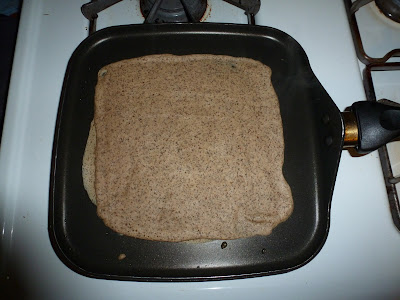
Another Crepe favorite 


Monday, December 5, 2011

Gluten/Dairy Free Baking

Here are a few of my recent purchases for the holiday baking season.  With these mixes I can create all sorts of treats that will be gluten free and dairy free. Look for tomorrow's blog on chocolate crepes!


Amongst the baking mixes I bought some dairy free cocoa mix that I wanted pre-mixed that I could use with water...it's quite yummy...I do love my hot cocoa!
 USDA Organic...
 Non-Dairy and low fat too
They even threw in a free granola bar sample...it was very yummy!

Sunday, December 4, 2011

What is MSG?

Monosodium Glutamate, better known as MSG, is a form of concentrated salt added to foods to enhance the flavor. This salt version of glutamic acid is an amino acid the body can produce on its own, but the MSG we find on store shelves is processed and comes from fermented sugar beets. Because this kind of MSG is processed, it can cause many adverse reactions, including skin rashes, itching, hives, nausea, vomiting, migraine headaches, asthma, heart irregularities, depression and even seizures (http://www.msgtruth.org/migraine.htm).

Since MSG acquired its infamous reputation for causing migraines, the food industry has given it new names and new forms, including autolyzed yeast, yeast extract, maltodextrin, hydrolyzed protein, sodium caseinate, mono-potassium glutamate, and textured protein. Consumers who are watching out for monosodium glutamate in long ingredients lists usually don't know the aliases, but should.

Because MSG is so cheap, the food industry can use much lower quality foods and simply add MSG as a flavor enhancer. Currently, there is a huge investment by the food giants in MSG medical research to convince consumers of its safety. Monsanto, the giant biotech company that creates genetically modified corn, soy and canola, also controls more than 90% of the sugar beet industry; therefore, MSG contains the gene of the pesticide Roundup. Consumers who don't filter MSG out of their diet are catching a double dose of toxicity.

Foods which contain the largest doses of MSG are spicy corn chips, many soups, certain Chinese foods, ranch dressing, sausages, hot dogs, barbecued meats, smoked meats, processed deli meats, and sauces. Also included are most powdered packets like chili, gravy, taco seasoning, French onion dip and dried dip mixes.

Ibuprofen is the polar opposite of MSG. This widely used painkiller is specifically designed to relieve symptoms from MSG headaches, but only temporarily. Unfortunately, most research on MSG is done by its manufacturers in independent labs. The FDA itself consists of food industry reps and lobbyists who help keep MSG approved, so most doctors (except naturopath doctors) will not point their finger at MSG as the cause of headaches, inflammation, weight gain, muscle pain, or nerve disorders.

MSG affects nearly everyone

Consuming products loaded with MSG on an empty stomach or without water can be especially dangerous. MSG affects nearly everyone because it causes a spike in glutamic acid, which is used throughout the body as a neurotransmitter, so many migraines are accompanied by photo-sensitivity (sensitivity to light) and phono-sensitivity (sensitivity to sound). This explains why many people need to relax in a dark, quiet room to recover.

MSG compromises the way the liver and gall bladder use bile to break up fats for digestion, so many people experience diarrhea and even gall bladder attacks. Others will vomit or stir up their Irritable Bowel Syndrome (http://www.msgexposed.com/msg-cause...).

Also, the hair cells of the ear use glutamate as a neurotransmitter, so over stimulation of these cells can result in ringing in the ears (also tinnitus or vertigo). MSG is known to cross the blood brain barrier to damage brain cells, especially in infants. Research has also shown that MSG can cause sterility in female animals (http://www.hmc.psu.edu/childrens/he...).

Since there are no regulations on the potency of MSG, consumers have no way of knowing how much or how little they are getting(http://www.truthinlabeling.org/pres...).

The sooner MSG appears in an ingredients list, the more there is in that product. Consuming MSG at any time is a risk many consumers are not willing to take.

Your best bet is to avoid MSG in general and just add your own natural spices to foods. Sea salt and fresh garlic or organic minced garlic can give a dish the same taste and flavor enhancement. Simply Tasteful's "Garlic Garlic" or "Onion Onion" and Trader Joe's "21 Seasoning Salute" are great natural seasonings that take food flavor up a notch and don't cause headaches, nausea or nerve damage.

Sources for this article include:
http://www.vanderbilt.edu/ans/psych...
http://www.msgtruth.org/migraine.htm
http://www.uhs.wisc.edu/docs/uwheal...
http://www.fitday.com/fitness-artic...
http://www.rense.com/general52/msg.htm
http://www.hmc.psu.edu/childrens/he...
http://www.msgtruth.org/whatisit.htm
http://www.msgexposed.com/msg-cause...
http://chinesefood.about.com/od/hea...
http://www.truthinlabeling.org/pres...
http://jama.ama-assn.org/content/30...

Saturday, December 3, 2011

Healthy alternatives- from coconuts

Since going dairy free and refined sugar free and gluten-free, finding alternatives always seem to end up to the good ole coconut:) Here are a few of the products I now use. 

Spectrum, Organic All Vegetable Shortening, Butter Flavor


They've taken their organic shortening to a whole new level with the addition of an all natural butter flavor that will make your cookies and pie crusts tastier than ever. They craft our shortening from sustainably harvested organic palm oil sourced from dozens of small family farmers in Colombia. Spectrum Organic Shortening with Butter Flavor is a better choice than mass market shortening brands because it’s never hydrogenated which means it has 0g trans fat. The first dish I made with it was my Thanksgiving sweet potato casserole, and it turned out wonderfully! I look forward to using it to make Christmas desserts.

Ingredients
Mechanically pressed organic palm oil, natural butter flavor (non-dairy), annatto and turmeric for color.

Organic Raw Coconut Crystals (sugar alternative)

Organic Raw Coconut Flour  
(wheat flour alternative...may mix with other gluten free alternatives using xanthan gum to mimic gluten)


Organic Raw Coconut Aminos (soy sauce alternative)

Organic Raw Coconut Nectar (syrup alternative)


Organic Raw Coconut Oil (other oil alternative)
Great for cooking and for your skin! Purchased from ESP - http://earthshiftproducts.com/

Uses: For cooking, in place of any oils; for baking and making smoothies; in the shower as a shaving gel and a deep conditioner for your hair; after showers as a lotion.

Earth Shift Products Raw Centrifuge Coconut Oil is organic and extracted by centrifuge creating the purest oil available anywhere. Coconut Oil is a colorless to pale brownish yellow oil that has a melting point ranging from 73°F to 78°F. It has been described as the "Healthiest Oil on Earth." Coconut oil is composed mainly of medium-chain-fatty-acids (MCFA) with 86.5% saturated fatty acids, 5.8% monounsaturated fatty acids, and 1.8% polyunsaturated fatty acids. It is the world's ONLY low-calorie fat! Of the saturated fatty acids, coconut oil is primarily 44.6% lauric acid, 16.8% myristic acid, and 8.2% palmitic acid. In comparison to most oils, coconut oil has a long shelf life of up to three years, which is due to its natural ability to not be affected by fluctuating temperature and oxidation. Among the most stable of all oils, coconut oil is slow to oxidize and thus resistant to rancidity.

Earth Shift Products Raw Centrifuge Virgin Coconut Oil comes from fresh coconuts that do not undergo a refining process. Most virgin coconut oils on the market go through one of two processes to extract the oil from the coconut. Earth Shift Products Raw Centrifuge Virgin Coconut Oil is unique from other virgin coconut oils because it does not go through either the "quick drying" or "wet-milling" processes. Instead, we use centrifugal extraction to derive the oil from the coconut. This method of extraction requires no heat at all and produces oil that is absolutely amazing!

Since our coconut supplier owns the USDA Certified Organic coconut plantation, we are able to provide coconuts that are harvested at the perfect age. The coconuts are delivered on the same day to the processing plant, which is located inside the coconut plantation. The coconuts are then de-husked and grated, and the fresh coconut meat is cold-pressed and filtered. This process preserves the live enzymes, lauric acid, and all the other immune system building nutrients. Except for picking and opening the nut, there is little human handling in our process. Stainless steel mechanical equipment is used in order to provide a sanitary controlled environment in the processing plant. The coconut oil is strained and immediately bottled. No chemicals or preservatives are added. You only get pure unadulterated Virgin Coconut Oil.

  • Earth Shift Products Coconut Oil is organic and extracted by centrifuge creating the purest oil available anywhere.
  • It is composed mainly of medium-chain-fatty-acids (MCFA) with 86.5% saturated fatty acids, 5.8% monounsaturated fatty acids, and 1.8% polyunsaturated fatty acids.
  • Composed primarily 44.6% lauric acid, which is used by the body to make disease-fighting fatty acids.
  • Coconut oil is slow to oxidize, and thus resistant to rancidity.
  • Uses: For cooking, in place of any oils; for baking and making smoothies; in the shower as a shaving gel and a deep conditioner for your hair; after showers as a lotion.

Coconut Secrets for Optimal Health

If you're anything like me, you prefer the basic facts highlighted for you in bullet point fashion ~ everything important you need to know about the naturally occurring health benefits of coconut tree products. So, I'll get right to it!

  • Helps Prevent Obesity by speeding up metabolism, providing an immediate source of energy with fewer calories than other fats.  People who consistently use coconut products, report a stronger ability to go without eating for several hours with no affects of hypoglycemia. 

  • Improves Heart Health by providing healthy short chain and medium chain fatty acids (MCFA) that are essential to good hcoconut budealth.  Close to 98% of all fatty acids consumed are composed of long-chain fatty acids (LCFA), which are very different from MCFA that have no negative effect on cholesterol ratios and help to lower the risk of atherosclerosis and protect against heart disease.  Studies have shown that populations in Polynesia and Sri Lanka, where coconuts are a dietary staple, do not suffer from high serum cholesterol or heart disease.  Unlike other fats, the unique properties of coconut also contain a large amount of lauric acid, which is the predominant fatty acid found in mother's milk.

  • High in Dietary Fiber rivaling other fiber sources such as psyllium, wheat bran, oat bran, and rice bran.  Coconut supplies an impressive 61% dietary fiber!   Foods contain two types of carbohydrates - digestible and non-digestible.  Digestible carbohydrates (soluble fiber) consists of starch and sugar and promote calories. Non-digestible carbohydrates (insoluble fiber) contains NO calories.  Since the body cannot digest the dietary fiber in coconut, no calories are derived from it and it has no effect on blood sugar. 

  • Low Glycemic Index (GI) measures how fast available carbohydrates in food raise blood sugar levels.  Coconut fiber slows down the release of glucose, therefore requiring less insulin to utilize the glucose and transport it into the cell where it is converted into energy.  Coconut also assists in relieving stress on the pancreas and enzyme systems of the body, in turn, reducing the risks associated with Diabetes.  Coconut Nectar and Crystals have a very low GI of only 35 (compared to honey with a GI of 55-83, and sugar with a GI of 65-100.)

  • Reduces Sweet Cravings and improves insulin secretion and utilization of blood glucose.  The healthy fat in coconut slowsdown any rise in blood sugar and helps to reduce hypoglycemic cravings. 

  • Improves Digestion and many of the symptoms and inflammatory conditions associatedwith digestive and bowel disorders, by supporting absorption of other nutrients including vitamins, minerals, and amino acids while also providing beneficial dietary fiber.

  • Quick Energy Boost that provides a super nutritious source of extra energy.  Coconut is utilized by the body to actually produce energy, rather than to store it as body fat.  It supports improved endurance during physical and athletic performance. As well, it promotes healthy thyroid function and helps to relieve the symptoms of chronic fatigue.

  • In addition, coconut contains No Trans-Fats, is Gluten-Free, Non-Toxic, Hypoallergenic, and also contains Antibacterial, Antiviral, Antifungal, and Anti-parasitic healing properties.  Coconut helps to aid and support overall Immune System functions.

Friday, December 2, 2011

Agave/Balsamic Glazed & Roasted Buttercup Squash

Agave and Balsamic Glazed and Roasted Buttercup Squash


Ingredients
1 buttercup squash, or other winter squash (about 1.5 lbs.)
3 Tbsp Agave Nectar
3 Tbsp organic balsamic vinegar
freshly ground black pepper and Himalayan salt to taste

Recipe

Cut top and bottom end from squash, then sit flat on cutting board and cut in half top to bottom. Use a sharp spoon to scrape out seeds, washing out the inside of the squash if needed. Cut squash into half-moon slices about 1 inch wide. (Any shape of slice will work, but they need to be close to the same thickness...I just cut along the grooves).

Preheat oven or toaster oven to 400F. Spray roasting pan with non-stick spray or olive oil.  I used a 13" X 9" glass pan). Lay squash in single layer on pan. Mix together 2Tbsp of agave nectar and 2Tbs of balsamic vinegar and brush on top layer of squash. (Some will run down, which will coat the bottom as the squash roasts.)

Roast squash 15 minutes, then turn each piece. Brush second side lightly with the remaining 1Tbs each of agave-balsamic mixture. (At this point I made tiny jabs with a knife for the glaze to seep in a little). Roast 15 minutes more. Then light up pieced up right, side by side so they stay up right, bake for 5-10 more minutes or until squash pierces easily with a fork and is lightly browned.

Grind black pepper and Himalayan salt over squash and serve hot. (You could make this easier to eat with a fork by cutting off the peeling before eating, but it makes a nice serving piece to hold and eat too.)
 Cut Butternut squash in half and scoop out the seeds and membrane (stringy part)
 Slice along the grooves
 lay in pan side ways in glass or roasting pan
 Brush Balsamic vinegar and agave onto squash
 I then made little jabs into all sides
 After 15 minutes of baking, turn over and brush with remaining balsamic vinegar and agave
 After 15 more baking minutes lay prices up-right and brush with mixture that remained in pan
 Your squash is ready when it's softe enough
 Yumm
 You can sprinkle some salt and pepper on each piece to your preference, the salt and pepper adds some wonderful contrast to the sweet. But do make note if you're prone to heartburn the balsamic vinegar may affect you.

Thursday, December 1, 2011

Surprising Cause of Melanoma

The Surprising Cause of Melanoma 

(And No, it's Not Too Much Sun)

By Dr. Mercola
Rates of melanoma, the deadliest form of skin cancer, have been rising for at least the last three decades, and this increase has been largely blamed on exposure to ultraviolet (UV) light from the sun.
However, research published in the British Journal of Dermatology shows that the sun is likely nothing more than a scapegoat in the development of melanoma, and the sharp increase may actually be "an artifact caused by diagnostic drift."

Melanoma Increases Due to Benign Disease, Not Sunlight

Diagnostic drift, according to the study, refers to a hefty increase in disease that is being fueled by non-cancerous lesions.
In fact, during the study period from 1991 to 2004, there were nearly 4,000 cases of melanoma included in the report, with an annual increase of 9.39 to 13.91 cases per 100,000 per year.
The researchers revealed that, rather than being fueled by increasing exposure to sunlight as is commonly suggested, the increased incidence was almost entirely due to minimal, stage 1 disease.
They noted:
"There was no change in the combined incidence of the other stages of the disease, and the overall mortality only increased from 2.16 to 2.54 cases per 100,000 per year … We therefore conclude that the large increase in reported incidence is likely to be due to diagnostic drift, which classifies benign lesions as stage 1 melanoma."
In other words, people are being diagnosed with melanoma skin cancer even when they have only a minimal, non-cancerous lesion, and these diagnoses appear to be skewing disease rates significantly. Further, adding even more credence to the growing body of evidence showing sun exposure is not the primary cause of melanoma, the researchers noted that the distribution of the lesions reported did not correspond to the sites of lesions caused by sun exposure.
They concluded:
"These findings should lead to a reconsideration of the treatment of 'early' lesions, a search for better diagnostic methods to distinguish them from truly malignant melanomas, re-evaluation of the role of ultraviolet radiation and recommendations for protection from it, as well as the need for a new direction in the search for the cause of melanoma."

Is Lack of Sunlight a More Likely Culprit?

Despite all the bad press linking sun exposure to skin cancer, there's almost no evidence at all to support it. There is, however, plenty of evidence to the contrary. Over the years, several studies have confirmed that appropriate sun exposure actually helps prevent skin cancer. In fact, melanoma occurrence has been found to decrease with greater sun exposure, and can be increased by sunscreens.
One of the most important facts you should know is that an epidemic of the disease has in fact broken out among indoor workers. These workers get three to nine times LESS solar UV exposure than outdoor workers get, yet only indoor workers have increasing rates of melanoma -- and the rates have been increasing since before 1940.
There are two major factors that help explain this, and the first has to do with the type of UV exposure.

There are two primary types of UV rays from sunlight, the vitamin-D-producing UVB rays and the skin-damaging UVA light. Both UVA and UVB can cause tanning and burning, although UVB does so far more rapidly. UVA, however, penetrates your skin more deeply than UVB, and may be a much more important factor in photoaging, wrinkles and skin cancers.
A study in Medical Hypotheses suggested that indoor workers may have increased rates of melanoma because they're exposed to sunlight through windows, and only UVA light, unlike UVB, can pass through window glass. At the same time, these indoor workers are missing out on exposure to the beneficial UVB rays, and have lower levels of vitamin D.
Researchers wrote:
"We hypothesize that one factor involves indoor exposures to UVA (321–400nm) passing through windows, which can cause mutations and can break down vitamin D3 formed after outdoor UVB (290–320nm) exposure, and the other factor involves low levels of cutaneous vitamin D3.
After vitamin D3 forms, melanoma cells can convert it to the hormone, 1,25-dihydroxyvitamin D3, or calcitriol, which causes growth inhibition and apoptotic cell death in vitro and in vivo. 
… We agree that intense, intermittent outdoor UV overexposures and sunburns initiate CMM [cutaneous malignant melanoma]; we now propose that increased UVA exposures and inadequately maintained cutaneous levels of vitamin D3 promotes CMM."
To put it simply, UVB appears to be protective against melanoma -- or rather, the vitamin D your body produces in response to UVB radiation is protective.
As written in The Lancet:
"Paradoxically, outdoor workers have a decreased risk of melanoma compared with indoor workers, suggesting that chronic sunlight exposure can have a protective effect."

Vitamin D Helps Protect You Against Cancer

Vitamin D is a steroid hormone that influences virtually every cell in your body, and is easily one of nature's most potent cancer fighters. So I want to stress again that if you are shunning all sun exposure, you are missing out on this natural cancer protection.
Your organs can convert the vitamin D in your bloodstream into calcitriol, which is the hormonal or activated version of vitamin D. Your organs then use it to repair damage, including damage from cancer cells and tumors. Vitamin D's protective effect against cancer works in multiple ways, including:
  • Increasing the self-destruction of mutated cells (which, if allowed to replicate, could lead to cancer)
  • Reducing the spread and reproduction of cancer cells
  • Causing cells to become differentiated (cancer cells often lack differentiation)
  • Reducing the growth of new blood vessels from pre-existing ones, which is a step in the transition of dormant tumors turning cancerous
This applies not only to skin cancer but other types of cancer as well. Theories linking vitamin D to certain cancers have been tested and confirmed in more than 200 epidemiological studies, and understanding of its physiological basis stems from more than 2,500 laboratory studies, according to epidemiologist Cedric Garland, DrPH, professor of family and preventive medicine at the UC San Diego School of Medicine.
Here are just a few highlights into some of the most noteworthy findings:
  • Some 600,000 cases of breast and colorectal cancers could be prevented each year if vitamin D levels among populations worldwide were increased, according to previous research by Dr. Garland and colleagues.
  • Optimizing your vitamin D levels could help you to prevent at least 16 different types of cancer including pancreatic, lung, ovarian, prostate, and skin cancers.
  • A large-scale, randomized, placebo-controlled study on vitamin D and cancer showed that vitamin D can cut overall cancer risk by as much as 60 percent. This was such groundbreaking news that the Canadian Cancer Society has actually begun endorsing the vitamin as a cancer-prevention therapy.
  • Light-skinned women who had high amounts of long-term sun exposure had half the risk of developing advanced breast cancer (cancer that spreads beyond your breast) as women with lower amounts of regular sun exposure, according to a study in the American Journal of Epidemiology.
  • A study by Dr. William Grant, Ph.D., internationally recognized research scientist and vitamin D expert, found that about 30 percent of cancer deaths -- which amounts to 2 million worldwide and 200,000 in the United States -- could be prevented each year with higher levels of vitamin D.

When Using the Sun to Fight Cancer, the Dose is What Matters

When I recommend using the sun therapeutically, this means getting the proper dosage to optimize your vitamin D levels. This typically means exposing enough of your unclothed skin surface to get a slight pink color on your skin. Your exact time will vary radically depending on many variables, such as you skin color, time of day, season, clouds, altitude and age.  The key principle is to never get burned, while still spending as much time as you can in the sun during the peak hours, as it is virtually impossible to overdose as long as you don't get burned.
A common myth is that occasional exposure of your face and hands to sunlight is "sufficient" for vitamin D nutrition. For most of us, this is an absolutely inadequate exposure to move vitamin D levels to the healthy range. Further, if you use sunscreen, you will block your body's ability to produce vitamin D!
And, contrary to popular belief, the best time to be in the sun for vitamin D production is actually as near to solar noon as possible which is 1 PM in the summer for most (due to Daylight Saving Time).. The more damaging UVA rays are quite constant during ALL hours of daylight, throughout the entire year -- unlike UVB, which are low in morning and evening and high at midday.
When using the sun to maximize your vitamin D production and minimize your risk of malignant melanoma, the middle of the day (roughly between 10:00 a.m. and 1:00 p.m.) is the best and safest time. During this time you need the shortest exposure time to produce vitamin D because UVB rays are most intense at this time. Plus, when the sun goes down toward the horizon, the UVB is filtered out much more than the dangerous UVA.
Once you reach this point your body will  peak at about 10,000-40,000 units of vitamin D. Any additional exposure will only cause harm and damage to your skin. Most people with fair skin will max out their vitamin D production in just 10-20 minutes, or, again, when your skin starts turning the lightest shade of pink. Some will need less, others more. The darker your skin, the longer exposure you will need to optimize your vitamin D production.

Why Not Just Take Vitamin D from a Supplement?


You can get vitamin D3 in supplement form, and if sunlight or a safe tanning bed is not an option, this is a better choice than getting no vitamin D at all. If you do use a supplement, it now appears as though most adults need about 8,000 IU's of vitamin D a day in order to get their serum levels above 40 ng/ml.
However, sunlight is really the superior source for vitamin D, as when you expose your skin to sunshine, your skin synthesizes vitamin D3 sulfate. This form of vitamin D is water soluble, unlike oral vitamin D3 supplements, which is unsulfated. The water-soluble form can travel freely in your bloodstream, whereas the unsulfated form needs LDL (the so-called "bad" cholesterol) as a vehicle of transport.
The oral non-sulfated form of vitamin D may not provide all of the same benefits as the vitamin D created in your skin from sun exposure, because it cannot be converted to vitamin D sulfate.
I believe this is a very compelling reason to really make a concerted effort to get your vitamin D requirements from exposure to sunshine, or by using a safe tanning bed (one with electronic ballasts rather than magnetic ballasts, to avoid unnecessary exposure to EMF fields). Safe tanning beds also have less of the dangerous UVA than sunlight, while unsafe ones have more UVA than sunlight. If neither of these are feasible options, then you should take an oral vitamin D3 supplement.

What Should Your Vitamin D Levels be for Cancer Protection?

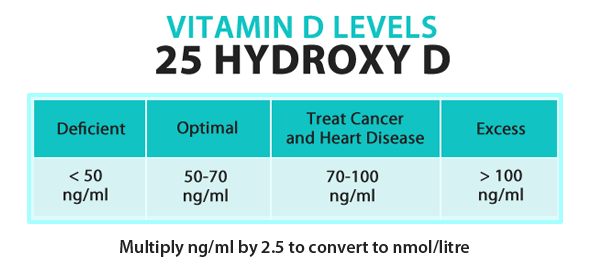
In 2007 the recommended level was between 40 to 60 nanograms per milliliter (ng/ml). Since then, the optimal vitamin D level has been raised to 50-70 ng/ml, and when treating cancer or heart disease, as high as 70-100 ng/ml.
vitamin d levels
I recommend you have your levels tested and regularly monitored to make sure they are in the therapeutic range. Your physician can do this for you, or another alternative is to join the D*Action study. D*Action is a worldwide public health campaign aiming to solve the vitamin D deficiency epidemic through focus on testing, education, and grassroots word of mouth.
When you join D*action, you agree to test your vitamin D levels twice a year during a five-year program, and share your health status to demonstrate the public health impact of this nutrient. There is a $60 fee each 6 months ($120/year) for your sponsorship of the project, which includes a complete new test kit to be used at home, and electronic reports on your ongoing progress.
You will get a follow up email every six months reminding you "it's time for your next test and health survey." To join now, please follow this link to the sign up form. 

Natural Treatment for Non-Melanoma Skin Cancer

Melanoma skin cancer is the deadliest form, but far more common are non-melanoma skin cancers, which impact millions of Americans every year.
If you or someone you love is affected, a cream containing eggplant extract, known as BEC and BEC5, appears to cure and eliminate most non-melanoma skin cancers in several weeks time. Unlike conventional skin-cancer treatment, which is often surgery, the eggplant-extract cream leaves no scarring and no visible sign a tumor or lesion was ever present. The eggplant extract appears to be exceptionally safe and only kills cancerous cells, leaving healthy cells untouched, and causes only minor side effects, such as itching and burning.
The leading researcher in this area today is Dr. Bill E. Cham, who reported as early as 1991 in Cancer Letters that:
"A cream formulation containing high concentrations (10%) of a standard mixture of solasodine glycosides (BEC) has been shown to be effective in the treatment of malignant and benign human skin tumors.
We now report that a preparation … which contains very low concentrations of BEC (0.005%) is effective in the treatment of keratoses, basal cell carcinomas (BCCs) and squamous cell carcinomas (SCCs) of the skin of humans. In an open study, clinical and histological observations indicated that all lesions (56 keratoses, 39 BCCs and 29 SCCs) treated with [the preparation] had regressed."
Dr. Cham's latest study was published in the International Journal of Clinical Medicine this year. The paper includes two impressive case reports of 60-something men who were suffering from large basal cell carcinoma (BCC) or squamous cell carcinoma (SCC), which had plagued them for years.  The results upon treatment with a cream formulation of BEC (eggplant extract) twice a day are astounding, and you can view the pictures here.
Unfortunately, simply eating eggplant, tomatoes, peppers or similar veggies, while beneficial for many reasons, will not induce this same effect because the active components are not able to effectively penetrate your cells. This requires the addition of glycosides, molecules with various simple sugars attached to them that can latch on to receptors found on skin cancer cells.

Simple Skin Cancer Prevention Strategies

What's even better than an inexpensive, safe and natural cure for skin cancer is, of course, preventing it in the first place. Your body is made to be in the sun, and, when done properly, sun exposure will be one of the best ways you can help reduce your risk of skin, and many other forms of, cancer. Along with optimizing your vitamin D levels, the carotenoid astaxanthin has also piqued the interest of researchers due to its ability to reduce signs of aging by helping protect your skin from sun damage. I personally take 8 mg every day to help limit any potential damage from sun exposure as most of the year I am able to spend one to two hours a day in the sun.
Consuming a healthy diet full of natural antioxidants is another useful strategy to avoid sun damage to your skin, as fresh, raw, unprocessed foods deliver the nutrients that your body needs to maintain a healthy balance of omega-6 and omega-3 oils in your skin, which is your first line of defense against sunburn.
Fresh, raw vegetables also provide your body with an abundance of powerful antioxidants that will help you fight the free radicals caused by sun damage that can lead to burns and cancer.