Wednesday, January 21, 2015

10 ways to avoid Fluoride Exposure

Ways to Avoid Fluoride Exposure Infographic

Ways to Avoid Fluoride Exposure

Fluoride is a toxic industrial waste product – it is a poison, and is in no way a "nutrient," as it does not offer any benefits to the human body. Yet, this damaging compound is being added to your water supply, exposing you to potential dangers every day.

But here's what's more disturbing: fluoride is found not only in your drinking water, but also in other seemingly harmless products, some which are found inside your home. And if you're not careful, exposure to these fluoride-containing products can reach very toxic levels, exposing you to a wide-range of serious health problems such as damage to your bones, your brain, and your endocrine system.

Read this infographic "10 Ways to Avoid Fluoride Exposure," and discover fluoride-containing products you should avoid. Feel free to share this information with your loved ones.

Read this infographic "10 Ways to Avoid Fluoride Exposure", and find out which products found inside and outside your home contain this damaging neurotoxin. Use the embed code to share it on your website or visit our infographic page for the high-res version.

Tuesday, January 20, 2015

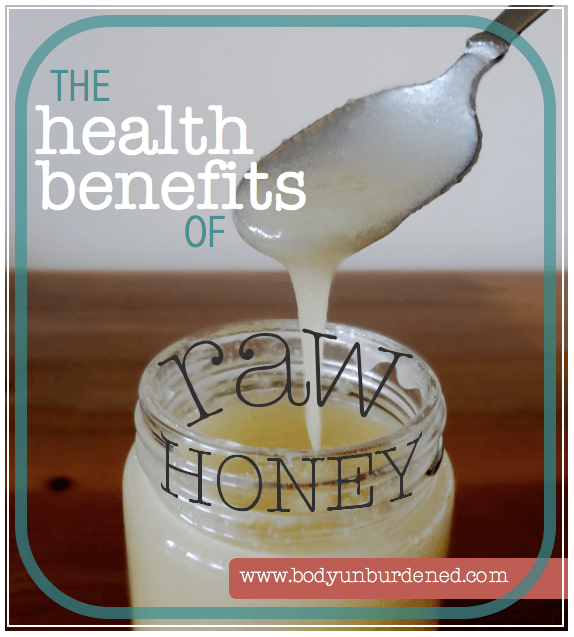
Raw Honey health benefits

Health benefits of raw honey
by Nadia

The mystery product sold as “honey”

Honey is one of the most commonly mislabeled foods. Last year, Food Safety News found that 75% of store-bought honey was ultra-filtered and did not contain pollen. Without pollen, it is impossible to identify the honey’s source. Furthermore, the US FDA states that any “honey” that no longer contains pollen cannot technically be considered honey.

Even more concerning, a third or more of all “honey” in the US was found to have been smuggled in from China or India, and tainted with illegal antibiotics and heavy metals.  According to Food Safety News, millions of pounds of honey deemed unsafe and banned from dozens of foreign countries is being imported and sold in the US.

Additionally, a number of ingredients are added to “honey”, and even sometimes constitute the main ingredient. These include sucrose syrup, sugar syrup, partial invert cane syrup, corn syrup, glucose syrup, beet sugar and high-fructose corn syrup, as well as artificial sweeteners. Any “honey” that contains these ingredients is therefore not real honey, but a blend. Furthermore, some of these ingredients, such as high fructose corn syrup and artificial sweeteners, pose a particular threat to the health of consumers. On my trip to the grocery store, I picked up this little honey bear whose main ingredient was high fructose corn syrup. It was the cheapest honey available, and though I hate to waste, I threw this little guy in the trash after photographing him (I see right past that cute little face of yours, honey bear…).

The health benefits of raw honey

Raw honey comes straight from the honeycomb, and is honey in its purest form. It is unfiltered, unheated and unpasteurized, processes which can destroy the natural vitamins (high in vitamin C and B vitamins), minerals and enzymes found in honey. The health benefits of raw honey are seemingly endless:
  • Anti-viral and anti-fungal properties
  • Contains polyphenols, a powerful antioxidant
  • Helps ward off allergies
  • Soothes sore throats and is a natural expectorant (i.e. is great to eat when you have a cold)
  • Stabilizes blood pressure and balances blood sugar levels
  • Boosts immune function
  • Helps heal skin conditions and wounds when applied topically
  • Promotes digestive health
  • As an alkaline-forming food, helps combat chronic illness
Nutrition aside, raw honey differs from processed honey in a few significant ways: it is typically opaque, it is typically thicker than processed honey, and it crystalizes more readily as it has not been heated (producers heat honey to prevent crystallization). It can come in a variety of different colors. For example, I have raw alfalfa honey pictured above, and it is very light in color. But buckwheat or blueberry honey is very dark in color.
When looking to buy raw honey, look for a product from a local producer, preferably one you know or know of. Local honey offers particularly great protection from seasonal allergies.
Please note that pediatricians caution against feeding honey to children under one year old due to concern that it may contain botulism spores.
raw honey health benefits

Monday, January 19, 2015

22 Epsom Satt uses

22 Remarkable Facts Why Epsom Salt Should Be In Every Home

Epsom salts have been used by many different cultures for hundreds of years.  They have a number of different beneficial properties and are used in gardening, household cleaning, and detoxifying the body. These salts are very inexpensive and can be purchased at bulk discounts in garden centers nearly everywhere. Using Epsom salt baths is an advanced detoxification strategy that has remarkable health benefits.

Epsom salt is made up of magnesium and sulfate, which can help improve health in numerous ways. A lack of magnesium—which helps regulate the activity of more than 300 enzymes in the body—can contribute to high blood pressure, hyperactivity, heart problems and other health issues, doctors warn. Sulfate is essential for many biological processes, helping to flush toxins and helping form proteins in joints, brain tissue and mucin proteins.

22 Amazing uses of Epsom salt


Regulate Blood Sugar
Research indicates that raising magnesium levels can promote a healthy heart by improving circulation and lowering blood pressure. It also improves the body’s capacity to use insulin. Magnesium is necessary to sustain calcium levels in the blood.
Sulphates are not easily obtained through the food we eat but are absorbed through the skin. These stimulate the pancreas to make digestive enzymes and assist in detoxifying the body. Epsom Salt flushes toxins and heavy metals from the cells, easing muscle pain and helping the body to eliminate harmful substances.

Detoxification
Epsom salt can assist in eliminating toxins from the body. The magnesium in Epsom salt is required for detoxifying cells. It also helps detox the body of environmental contaminants that can potentially cause ill health.

To enjoy a relaxing detox bath, stir in 1 to 2 cups of Epson salt in a bathtub filled with warm water and soak in it for 10 to 15 minutes, 2 or 3 times a week.

Fade Bruises
To lessen the appearance of bruises, make a compress by soaking a washcloth in cold water mixed with Epsom salt – use two tablespoons per cup – then apply to the skin.

Treats Sunburn
Epsom salt is very soothing for sunburned skin. Its anti-inflammatory properties alleviate mild sunburn irritation like itchiness and pain. It can even help maintain an even skin tone.
  • To treat sunburned hands and legs, mix 2 tablespoons of Epsom salt in 1 cup of water and store it in a spray bottle. Spray it on the affected area. Leave it on for 10 minutes, then take a bath. Do this several times a week to notice improvement.
  • Another option is to fill a bathtub with lukewarm water and mix in 1 cup of Epsom salt, stirring thoroughly so the salt crystals dissolve properly. Add a few drops of lavender essential oil and soak in the water for 20 minutes.

Pest control
If you have lawn pests and you’re looking for natural insect control, consider turning to Epsom salt. A spray solution on the lawn can control insects without damaging the grass, and it’s totally nontoxic. Sprinkle some dry Epsom salt to deter slugs and snails.

Fertilizer
Some plants like tons of food, especially roses. Work some Epsom salt into the soil around them to keep them happy, especially during blooming season, when you want them producing beautiful, long-lasting flowers. Palm trees and tomatoes are also big fans of Epsom salt!

Quick bruise treatment
Use a warm compress with Epsom salt to fade the appearance of bruises. They won’t vanish like magic, but they won’t be as large, or as painful. Use a solution of two tablespoons Epsom salt per cup of water for best effect.

Body scrub
After you shower, rub your skin with Epsom salts using circular movements. It removes dead skin cells and leaves skin soft.

Soothe Bug Bites
Dissolve 1/4 cup of Epsom salts in a cup of warm water. Cool the mixture in the refrigerator. Apply with a cotton ball to bug bites to soothe pain and itching.

Remove Splinters
According to the Epsom Salt Council, Epsom salt increases osmotic pressure on the skin, which draws foreign bodies toward the surface. Dissolve one cup of Epsom salt in a tub of water and soak the affected area.
 
Keep Houseplants Healthy
Add 1-2 tablespoons of Epsom salts per gallon of water to nourish your houseplants.

Relief from muscular pain
An Epsom salts bath can promote detoxification through the skin and they are traditionally used as a soaking agent to bring relief from muscular pain and stiffness.

Improves Digestion
Epsom salt assists in the elimination of harmful toxins and waste products from the body and the digestive system. It also works as a laxative to soften stools, making them easier to pass, and can be used to treat constipation.Dissolve 1 or 2 teaspoons of Epsom salt in 1 cup of warm water and drink it on an empty stomach once a day. When taken internally, Epsom salt can cause some side effects, including gastrointestinal irritation, diarrhea, nausea and vomiting. Consult your doctor before taking Epsom salt. Do not take it longer than 1 week.

Also, soaking in an Epsom salt bath helps reduce water retention and tummy bloating.

Remedy for colds and flu
Take a hot bath with Epsom salts when you feel you’re catching a cold as it helps the body to fight infection more easily and recover faster.

It helps you sleep better
Epsom salts relaxes the body and helps you sleep better. Take hot baths with Epsom salts in the evening, an hour before sleep. It helps to increase the level of magnesium in the body. Lack of magnesium brings fatigue, stress, heart disease and joint pain. So, fill the tub with warm water and mix it with a cup of Epsom salts and a cup of baking soda and just relax.

Removes feet odor
Keep your feet in warm water with Epsom salts to get rid of odor, pain or heavy legs feeling. Do it for 15-20 minutes as it improves blood circulation, reduce inflammation and soften skin.

For Achy Joints, Bruises and Sprains 
Soak in a warm bath with 2 cups of Epsom salts to relieve pain in joints, bruises and sprains.

Remove Burnt Food on Pots and Pans
Overcook that oatmeal? Scrub out your pots and pans with a few tablespoons of Epsom salts, a little soap, and hot water to remove burnt food easily.

Grow Better Flowers, Fruits and Veggies
Whether you’re growing roses or tomatoes, sprinkling a few tablespoons on Epsom salts at the base of your plants can keep them healthy and maximize yield.

Epsom Salt improves nerve function
By regulating electrolytes. Also, calcium is the main conductor for electrical current in the body, and magnesium is necessary to maintain proper calcium levels in the blood

Epsom salt also delivers sulfates
Which are extremely difficult to get through food but which readily absorb through the skin. Medical research indicates sulfates are needed for the formation of brain tissue, joint proteins and the mucin proteins that line the walls of the digestive tract. Sulfates also stimulate the pancreas to generate digestive enzymes and help to detoxify the body’s residue of medicines and environmental contaminants.

Sulfates are important for forming brain tissue, joint proteins, stimulates the pancreas, and mucin proteins.

Sunday, January 18, 2015

18 health benefits of Kambucha

18 Healthy Reasons to Sip Kombucha


Fermented tea known as kombucha has been rapidly growing in popularity among health food lovers.  But it's actually been around for thousands of years.  It originated in China in the third century B.C.  Then it made its way to Russia, India, and Japan where it became a staple among Samurai warriors.  Today it is also popular in Poland, Germany, Bulgaria, Indonesia and many other cultures. 

Kombucha – or "the booch" to its fans – is made from green, black or white tea.  It's fermented for at least a week with sugar and a fungal culture consisting of a mixture of bacteria and yeast.  The starter is called a "SCOBY," which is an acronym for "symbiotic colony of bacteria and yeast."
The culture, also sometimes referred to as the "mother," resembles a light brown, tough, gelatinous disk, which is a living, growing organism. With each batch of the tea, the organism can regenerate and create a new culture called the "baby," which can be shared with a friend much like the sharing of a sour dough starter.

Sometimes called "mushroom tea," kombucha has been associated with a long list of health benefits.  It's a probiotic drink with helpful bacteria that support digestion and the immune system. It also contains enzymes, amino acids, antioxidants and polyphenols.
But relatively little scientific evidence has confirmed the health claims of traditional cultures drinking the tea.  Recently, researchers from the University of Latvia gathered 75 studies attesting to the proven health properties of kombucha.[1]

Here are 18 healthy reasons they suggest to raise a glass of kombucha. 

1.  Detoxification
Kombucha contains substantial amounts of glucuronic acid (GA).  GA is well known as a detoxicant.  In the body it combines with toxins like pharmaceuticals and environmental pollutants.  It then converts them into compounds that are soluble and the body can excrete.   Drinking kombucha may also help prevent tissues from absorbing industrial toxins in the environment. 

2. Antioxidants
Kombucha contains abundant antioxidants including vitamins E, C, beta-carotene, and other carotenoids.  Like black tea, kombucha also contains polyphenols and other compounds with antioxidant powers.  But because it is fermented, kombucha is much more powerful than plain tea.  Its antioxidant activity has been found to be 100 times higher than vitamin C and 25 times higher than vitamin E.[2]  For that reason drinking traditional kombucha may help cure chronic illnesses caused by oxidative stress. 

3.  Energy
Kombucha sets iron free from black tea.  That helps increase levels of blood hemoglobin, and improves oxygen flow to tissues.   It also improves the body's absorption of other non-heme (plant-derived) iron. 

4.  Immunity
Oxidative stress suppresses the immune system but kombucha's high levels of vitamin C support immunity.  Its antioxidant power also protects against cell damage, inflammatory diseases, suppressed immunity, and tumors.

5.  Gastric Illnesses
Nonsteroidal anti-inflammatory drugs (NSAIDs) are toxic to the gut.  They can lead to gastric ulcers. Indomethacin, a popular NSAID, can disrupt blood circulation to the stomach's mucous membrane.  Kombucha has been shown to effectively heal gastric ulceration.  The researchers believe the fermented tea protects the mucin content of the stomach.  Its antioxidant activity also protects the lining of the gut.  Kombucha also reduces gastric acid secretion that can damage the mucous membrane.  In fact, kombucha has been found as effective in healing ulcers as prescription omeprazole (brand name Prilosec).[3]

6.  Obesity
Kombucha helps balance the metabolism.  Animal studies show the tea may cause weight loss by encouraging calorie restriction.

7.  Diabetes
Research dating back to 1929 found kombucha can decrease blood sugar levels.  More recent animal studies report that kombucha significantly reduces blood sugar levels in diabetic rats.[4]   Another study suggested kombucha may be considered a candidate for the treatment and prevention of diabetes.[5]

8.  Kidney Toxicity
Kombucha may help eliminate kidney damage caused by environmental pollutants and may be beneficial to patients suffering from renal impairment.[6] Kombucha has also been used to prevent calcification in the kidney and may prevent the formation of kidney stones.[7]

9.  Endothelial Function
Oxidative stress can damage the lining of blood vessels.  That damage is a precursor to atherosclerosis, and a threat to heart health.  Antioxidants in kombucha help promote regeneration of cellular walls in blood vessels.[8]

10.  Atherosclerosis
In clinical trials involving 52 atherosclerotic patients with high cholesterol, kombucha helped lower levels to normal. In studies involving ducks, kombucha significantly reduced levels of LDL cholesterol and simultaneously raised HDL levels after just 10 days.  Other animal studies show kombucha may decrease total cholesterol as much as 45–52%.  It may also significantly decrease triglyceride and LDL levels while increasing HDL.[9]

11.  Hypertension
Kombucha has been used to prevent headaches and dizziness caused by hypertension.  It's been recommended for treating high blood pressure.

12.  Anemia
Organic acids found in kombucha convert trivalent iron compounds from plant sources to divalent iron ions.  This makes iron from plant sources more available to the body.  And vitamin C in kombucha enhances iron absorption.   Researchers suggest kombucha is particularly recommended for elderly people and vegetarians because it enhances the absorption of iron and helps prevent iron deficiency.

13.  Liver Function
Kombucha protects against liver toxicity in animals from overdoses of acetaminophen (Tylenol).[10]  Researchers suggest it might provide a useful therapy for humans as well.[11]

14.  Nervous System
Kombucha contains several amino acids, methylxanthine alkaloids (caffeine, theophylline, and theobromine), ascorbic acid (vitamin C), and B vitamins (including folic acid-B9), necessary for normal metabolism in the nervous system.  It can help with headaches, nervousness, and epilepsy prevention.  It may also prevent depression in the elderly.

15.  Asthma
Daily kombucha may help asthma patients.  It contains significant amounts of theophyline, a bronchodilator.[12]  The treatment dose of theophyline is 0.18–1.0 g daily.  Just one cup of kombucha contains about 1.44 mg.

16.  Joint Problems
Glucuronic acid in kombucha can be converted by the body into glucosamine, chondroitin-sulphate, and other polysaccharides and glucoproteins associated with cartilage, collagen, and the fluid that lubricates joints.[13] It may also help relieve arthritis, rheumatism, and gout.  

17.  Cancers
Consumption of kombucha has been associated with lower cancer rates.  Researchers believe it increases the immune system's anticancer defenses.   It may prevent cancer proliferation at early stages of tumor growth due to its glucuronic, lactic, and acetic acid content, as well as its antibiotic compounds.  It may have anticarcinogenic effects especially for hormone-dependent tumors.
Cell studies suggest it may be useful for prostate cancer treatment and prevention.[14]  It's also been studied as an anticancer agent against human lung, osteosarcoma, and renal cancer cell lines. 

18.  Antibiotic Resistant Infections
Kombucha contains strong antibacterials to combat infectious diseases such as diptheria, scarlet fever, influenza, typhoid, paratyphoid fever, and dysentery.[15]  Its high total acidity makes it effective against Helicobacter pylori, Salmonella typhimurium, Staphylococcus aureus, and Bacillus cereus.  It's been suggested that kombucha may be an effective alternative to synthetic antimicrobials that are becoming increasingly ineffective.[16]  

How to Enjoy Kombucha at Home
Kombucha is widely available in health food stores.  When you buy a bottle you'll notice a thin layer of the SCOBY at the bottom.  The instructions may caution against shaking the contents. That's because it should be a little effervescent. 

Because it's a fermented food, kombucha can develop an alcohol content that approaches the FDA's upper limit for a non-alcoholic beverage of 0.5% by volume. Some people report getting a buzz from the drink but others don't notice any effect at all.

The Latvian researchers note that a series of microbiological and biochemical tests on kombucha have repeatedly found it safe for human consumption.  Sally Fallon, author of Nourishing Traditions: The Cookbook that Challenges Politically Correct Nutrition and the Diet Dictocrats, quotes an FDA official as saying that when reasonable care is taken, "you're more likely to find contamination in a cup of coffee than in a cup of properly prepared kombucha."
But there have been isolated reports of sickness after drinking kombucha.  Alternative health guru Dr. Andrew Weil does not recommend drinking the homemade version for fear of contamination with aspergillus, a toxin-producing yeast which he believes would be risky for those with already compromised immune systems, like AIDS patients and cancer patients, as well as for pregnant and nursing mothers.

What to do? If you are healthy, try the commercial brands for yourself. For beginners, a good brand to try is GT's Organic Raw Kombucha.  The founder claims he began making kombucha in 1995 after his mother successfully used the drink in her battle against breast cancer.
It's best to use kombucha in moderation to begin (four to eight ounces a day), even though the bottle may recommend a full 16 ounces per day. And at almost four dollars a bottle, many people may want to keep their intake moderate.

Another reason to start slowly is that kombucha has a detoxifying effect.  If the liver is not functioning properly, it can be overwhelmed by the toxins being released. This may be why some people report an allergic reaction to the tea. For that reason, some experts recommend drinking plenty of water while taking kombucha to help flush toxins from the body.

If you are tempted to make your own kombucha, educate yourself first and follow instructions carefully, including using clean equipment, correct temperatures and glass containers.
Kombucha is not a drug but a traditional drink with many health-promoting properties. As with all foods, moderation is key.  It's important to listen to your own body to determine whether it is a good choice for you.


Saturday, January 17, 2015

One Stretch To Avoid

 
I've long recommended avoiding vigorous stretching first thing in the morning; the risk of injury is significant, especially as we get older, as our muscles, tendons, and ligaments are not well perfused with blood when we first wake up. These tissues are best stretched after we have been out and about for an hour or two, and optimally, after enough of an aerobic workout where we are sweating - if we've worked hard enough to sweat, we can reasonably assume that our muscles and ligaments are flush with blood and ready to be safely and effectively lengthened through stretching. 

One stretch in particular that I have found to be quite dangerous to lower back health is forward bending where your legs are pressed together on the ground in front of you, and you lower your chest to get as close as possible to your knees. Some people use this position to stretch their hamstrings, others to stretch their lower back. Regardless of which muscles you are targeting, you should know that this stretch puts significant pressure on the discs that act as shock absorbers between the vertebrae in your lower spine. 

Bending straight forward where your chest approaches your thighs necessitates forward flexion of your lumbar spine, which tends to push your intervertebral discs back toward the lumen that houses your spinal cord, as well as toward the holes on either side of each intervertebral space that allows large bundles of nerves to enter and leave your spinal column. 

In a healthy spine, a taut bundle of ligaments line the back of your discs, preventing them from encroaching on the spaces described above - you can thank this brilliant design for allowing you to go about all of your daily activities without getting jolted around every time your discs touch your spinal cord or peripheral nerves. 

But like all of the tissues in your body, the ligaments that prevent disc protrusion into the long tunnel that houses your spinal cord and the roots of your peripheral nerves can unravel through repeated injury. And where there is enough unraveling, portions of your disc material can give you the unique and unenviable experience of chronic low back pain and possibly some form of peripheral nerve disease, the most common one being sciatica. 

I've treated countless people for chronic lower back disc-related problems over the years, and I can conservatively state that upon questioning, a good percentage of these people were taking their lumbar spine through aggressive forward flexion early in the morning. I get this - for many, the best time to exercise is before work or after one has dropped the children off at school. Early morning fitness and yoga classes are a huge part of our culture, and they do a whole lot of good. The point here is to avoid pure forward flexion of your lumbar spine without being thoroughly warmed up, and if possible, to save aggressive stretching for later on in the day or after a solid aerobic workout.

Generally, the safest way to stretch your hamstrings is to focus on one leg at a time. When you forward flex your trunk toward one leg while the other leg is off to the side or behind you while you are standing (like in the photo below), the discs in your lumbar spine have room to shift toward the side of your "lax" lower extremity, which saves the ligaments that keep your discs in their intended spaces, which preserves all of the holes that house your spinal cord and peripheral nerves - in other words, all of your tissues stay where they should and your body has no need to create an inflammatory response.

Friday, January 16, 2015

72 uses for natural products


72 Uses For Simple Household Products To Save Money & Avoid Toxins

Ditch store bought products and make your own with this handy infographic. You might be surprised at just how versatile everyday natural products can be…
ChartPRoducts600
If you find this chart helpful hit one of the share buttons to save it.

Lemon Juice: Great for detox, digestion, sore throats, immunity, whitens clothes, cleans glass, highlights hair, can reduce wrinkles, skinks pores and can disinfect!

Coconut Oil: Can polish wood, used as wd-40, lip gloss, deodorant, prevents wrinkles, improves thyroid function and can reduce migraines, just to mention a few.

Apple Cider Vinegar: Repels fleas, deodorizes laundry, can soothe a sunburn, washes hair, treats acne, great for detox, can help control blood pressure, can cure yeast infections, prevent colds and much much more!

White Vinegar: Can polish silver, clean windows, unclog drains, cure an upset stomach, soothe a bee sting, used as a natural conditioner etc…

Baking Soda: Puts out fires, helpful for cleaning toilets or ovens, can be used in deodorants and toothpaste, heals diaper rash, treats heartburn just to name a few.

Castile Soap: All-purpose cleaner, dish soap, can mop floors with it, body wash, pet shampoo, toothpaste, treats eczema, psoriasis, acne and other skin problems.

Castor Oil: Keeps away rodents, helps plant health, strengthen eyelashes, heals cracked heels, softens cuticles, treats dry/itchy skin, can be used as a laxative, helps induce labor and can even reduce menstrual cramping.

Thursday, January 15, 2015

10 Choices You Will Regret in Ten Years

12122544756_2060ef523b_o copy


“If only…” These two words paired together create one of the saddest phrases in the English language.

Here are ten choices that ultimately lead to this phrase of regret, and how to elude them

Start off the new year with intentions to live the life you truly want to live!

 
1.  Wearing a mask to impress others.
If the face you always show the world is a mask, someday there will be nothing beneath it.  Because when you spend too much time concentrating on everyone else’s perception of you, or who everyone else wants you to be, you eventually forget who you really are.  So don’t fear the judgments of others; you know in your heart who you are and what’s true to you.  You don’t have to be perfect to impress and inspire people.  Let them be impressed and inspired by how you deal with your imperfections.

2. Letting someone else create your dreams for you.
The greatest challenge in life is discovering who you are; the second greatest is being happy with what you find.  A big part of this is your decision to stay true toyour own goals and dreams.  Do you have people who disagree with you?  Good.  It means you’re standing your ground and walking your own path.  Sometimes you’ll do things considered crazy by others, but when you catch yourself excitedly losing track of time, that’s when you’ll know you’re doing the right thing.
 
3. Keeping negative company.
Don’t let someone who has a bad attitude give it to you.  Don’t let them get to you.  They can’t pull the trigger if you don’t hand them the gun.  When you remember that keeping the company of negative people is a choice, instead of an obligation, you free yourself to keep the company of compassion instead of anger, generosity instead of greed, and patience instead of anxiety.

4. Being selfish and egotistical.
A life filled with loving deeds and good character is the best tombstone.  Those who you inspired and shared your love with will remember how you made them feel long after your time has expired.  So carve your name on hearts, not stone.  What you have done for yourself alone dies with you; what you have done for others and the world remains.

5. Avoiding change and growth.
If you want to know your past look into your present conditions.  If you want to know your future look into your present actions.  You must let go of the old to make way for the new; the old way is gone, never to come back.  If you acknowledge this right now and take steps to address it, you will position yourself for lasting success. Read The Power of Habit.

6. Giving up when the going gets tough.
There are no failures, just results.  Even if things don’t unfold the way you had expected, don’t be disheartened or give up.  Learn what you can and move on.  The one who continues to advance one step at a time will win in the end.  Because the battle is always won far away and long before the final victory.  It’s a process that occurs with small steps, decisions, and actions that gradually build upon each other and eventually lead to that glorious moment of triumph.

7. Trying to micromanage every little thing.
  Life should be touched, not strangled.  Sometimes you’ve got to relax and let life happen without incessant worry and micromanagement.  Learn to let go a little before you squeeze too tight.  Take a deep breath.  When the dust settles and you can once again see the forest for the trees, take the next step forward.  You don’t have to know exactly where you’re going to be headed somewhere great.  Everything in life is in perfect order whether you understand it yet or not.  It just takes some time to connect all the dots.
 
8. Settling for less than you deserve.
Be strong enough to let go and wise enough to wait for what you deserve.  Sometimes you have to get knocked down lower than you have ever been to stand up taller than you ever were before.  Sometimes your eyes need to be washed by your tears so you can see the possibilities in front of you with a clearer vision again.  Don’t settle.

9. Endlessly waiting until tomorrow.
– The trouble is, you always think you have more time than you do.  But one day you will wake up and there won’t be any more time to work on the things you’ve always wanted to do.  And at that point you either will have achieved the goals you set for yourself, or you will have a list of excuses for why you haven’t.

10. Being lazy and wishy-washy.
– The world doesn’t owe you anything, you owe the world something.  So stop daydreaming and start DOING.  Develop a backbone, not a wishbone.  Take full responsibility for your life – take control.  You are important and you are needed.  It’s too late to sit around and wait for somebody to do something someday.  Someday is now; the somebody the world needs is YOU.