Thursday, February 7, 2013
Wednesday, February 6, 2013
4 Dangerous Beauty Chemicals
4 Dangerous Chemicals in Everyday Beauty Products
By Lee Holmes
Did you know that our skin absorbs a whopping 60 percent of any topical product we use?
Think about it; nicotine patches are designed to be placed on the skin
and absorbed into the body, so why wouldn’t the ingredients you layer on
your skin everyday be leeched into your system? Take this into
consideration with the fact that the average woman also wears nearly 515 chemicals a day!
The
beauty industry loves to promote the promise of eternal youth,
skyscraper lashes, and a holiday glow, but there are many scary truths
that are hiding behind these promises of beauty and perfection.
Nowadays, more than 10,000 chemical ingredients are permitted to be used
in the production of personal care products. Pick up one of those
moisturizers off the shelf next time you are shopping, and it’s no
surprise that this is true. The danger is that many of these chemicals
have been scientifically linked to a range of harmful diseases and
bodily reactions.
Here are some facts about a
handful of the most commonly used, and most dangerous ingredients in
your everyday beauty products. For a toxic-free life, look out for these
harmful chemicals when buying your next round of beauty essentials:
1. Aluminium. This
toxic metal can be found in virtually every personal care product, and
is especially present in antiperspirant deodorants. There’s an
increasing concern about the use of products containing aluminium,
especially when applied to the skin near the breast in the form of
deodorant. The reason for this is that aluminium can have
oestrogen-like effects in our systems, which can disrupt the healthy
functioning of the endocrine system.
2. Toluene. This
petroleum based by-product is most commonly found in nail polishes and
cosmetics. Toluene is a harmful neurotoxin, which can affect the
functioning of the brain and central nervous system, and can pose
implications for the healthy development of children; both born, and
unborn.
3. Parabens. These guys are a group of nasty, synthetic preservatives that can be found in just about all of your cosmetics
and personal care products. If you have babies, be sure to check the
ingredients list of your baby products too, as they are commonly found
in shampoo’s and moisturizers for the little ones. Parabens have been
linked to the disruption of normal endocrine function, severe allergies
and even cancer.
4. Sodium Lauryl Sulfate (SLS). You’ll
most probably come across this in commercial shampoos, body washes, and
toothpastes. SLS is actually an industrial chemical designed to create
foam. Although it hasn’t been scientifically proven to be harmful on its
own, the manufacturing process of this chemical can contaminate
products with 1,4 dioxane; a bi-product that has carcinogenic and immune
system suppressing actions. What research does indicate, is that nearly
22 percent of all personal care products, including those for
children’s use, contain the cancer promoting contaminant 1,4- dioxane.
Let’s face it, it not worth the risk.
Taking these
facts on board, it’s really important to read the ingredient lists of
your products, and do your research so that you and your family are safe
from their harmful effects. Bath, beauty and skincare products should
be made with pure, organic oils, fragrances, butters and pigments, and
should contain absolutely no synthetic preservatives, toxins, artificial
fragrances, colors or mineral oils. Once you’ve re stocked your makeup
bag and bathroom with safe, organic
products, you will notice an improvement in your overall health, which
in turn, will improve the way you look, especially in the long term.
Tuesday, February 5, 2013
Monday, February 4, 2013
Non-Toxic Cleaning Products
5 Common Household Items You Can Use as Non-Toxic Cleaning Products
The
many detergents, disinfectants, polishes, and glass cleaners that are
so heavily marketed on daytime television are actually loaded with
potent chemicals.
When we clean our homes
with these products, we then inhale these toxins, which seep into our
skin and can be poisonous if ingested. That's why I started to look for
alternative cleaning products a few years ago.
I'd been very careful about what I put into my body, so it made sense to clear my environment of other toxins, too.
Now that I've made the switch to non-toxic cleaning products, I spend less money and use fewer products than before.
Here are 5 non-toxic household products that I now use for the majority of my cleaning:
1. Baking soda
Baking
soda is a deodorizer and scouring agent. It's great for scrubbing your
cooktop, oven and sink. Sprinkle on your carpets before vacuuming to
deodorize them.
2. White vinegar
White
vinegar is a disinfectant and deodorizer. I mix it with water (about 1
part vinegar to 3 parts water) in a spray bottle and clean everything
from the bathroom and toilet to the wood floors. The smell will only
stay for a short time but you can always add a few drops of essential
oil to make it more pleasing.
3. Hydrogen peroxide
Hydrogen
peroxide, which can work together or interchangeably with vinegar, is
another great basic household cleaner (minus the strong smell). Use it
instead of bleach to whiten your whites. And, when that brown film
starts building up in the bottom of the bathtub, fill the bottom up with
water, add a good third of a bottle of hydrogen peroxide and let it
sit. After a few hours, take a cloth to the rest of the tub and tile and
it will sparkle! You can find more ideas here.
4. Lemon juice
After
you squeeze it into your tea or on a salad, run half a lemon over your
counters and sink. Chop it up in the garbage disposal for a quick
freshening. You can also use it on your hands to eliminate the smell of
onions or garlic. It's anti-bacterial, too!
5. Microfiber cloth.
I
personally use Norwex® microfiber products, which only require water to
clean almost any surface. They tend to be more expensive but will last
for a long time.
Sunday, February 3, 2013
Reduce Your Chemical Burden
10 Easy and Affordable Ways to Reduce Your Chemical Burden Today
I still have that couch and that mattress, along with other household items I can't replace yet, but there were some affordable steps I took to begin the process of reducing potentially harmful chemicals in my life. And for me the key word is process. Sure, if you have the money, you can do a complete makeover. But there are a lot of people who can't do that right now, and what I've learned is that when you stress out about the money you don't have, that in itself is a deterrent to make any changes at all. I started by making easy changes within my reach and budget, and then progressed from there. We can't avoid chemicals entirely, but we can reduce our overall exposure by focusing on things we use frequently. Here's some easy and affordable things you can do to begin the process of feeling better about your home and body:
1. Replace vinyl shower curtains with those made of natural fibers. This was one of the first things I did. Vinyl shower curtains contain phthalates which have been linked to reproductive and developmental problems, as well as cancer. These phthalates readily evaporate into the air and hot steamy conditions promote the release of these plasticizers.
2. Reduce use of plastic, which can leach hormone-like chemicals; this includes plastics marked BPA-free (more on that here). Stop buying bottled water -- they're bad for the environment, expensive, and bad for your health. If you can afford to do so, swap out plastic for glassware. If you're on a budget, start by replacing the items you use regularly like a few drinking glasses and food storage. If you can't afford new purchases, don't put hot or acidic food in plastic, and never microwave them.
3. Reduce intake of canned foods because, like plastic, they contain potentially toxic chemicals. If possible, buy food like beans in bulk from a health food store, and stock up when they go on sale. If you need to buy canned goods, try to avoid the really acidic food like tomatoes.
4. Break up with fragrance. They're protected under trade secret law so you don't know what kind of toxic stew you're getting. Start by getting rid of things you can probably live without: scented body washes, air fresheners, dryer sheets, aftershaves, perfumes.
5. Stop using antibacterial products. They contain harsh chemicals like triclosan, which has been linked to liver toxicity and ends up in water sources. Washing hands with plain soap is just as effective and cheaper. We use the same bulk liquid soap for everything from showering to hand washing clothes to washing hands.
6. Don't buy toothpaste with artificial sweeteners, colorings, and sodium lauryl/laureth sulfates. I don't understand why toothpaste ever needs to look, smell, or taste like bubble gum.
7. Don't buy vitamins with synthetic and industrialized chemicals, colorings, additives, synthesized fillers, and binders.
8. Don't use products with nonstick treatments such as Teflon. Instead, choose cast iron or stainless steel. If you can't afford to replace this, at least discard those that show signs of deterioration.
9. Open your windows daily, especially while you cook and after you shower. Indoor air quality can be worse than outdoors, so let your home "breathe." Open your curtains and let in the sunlight, a natural antibacterial agent. While you're at it, bring in some air purifying plants. I have a snake plant that only cost $4, is extremely low maintenance, tolerant of irregular watering and less lighting, and has the potential to absorb airborne chemicals. They're also stylish looking plants that put me in a good mood.
10. Leave your shoes at the door so that you're not spreading outdoor pollutants and additional toxic dust throughout the house. This is the easiest thing you can do, and costs you nothing. I grew up in Hawaii where this is simply the local custom. More from Dr. Frank Lipman on this here.
Here's some helpful resources for information about chemicals, including much more details on ways to reduce toxic exposure:
Saturday, February 2, 2013
Swiss Chard & Quinoa
Ingredients:
1 bunch Swiss Chard
1 stalk celery
1 zucchini
2 small tomatoes
1 red onion
1 green chili
cilantro
Himalayan salt
fresh ground pepper
cumin seeds
black mustard seeds
garlic
ginger
olive oil or healthier coconut oil
Recipe:
Chop all veggies. Separate the stalks of the Swiss Chard and put them in a bowl with the chopped up zucchini and celery.
Heat the cumin seeds and black mustard seeds in olive oil, then add onions. Saute for a few minutes, then add the tomatoes & green chili.
Mix in for a few minutes then add a tsp of garlic, ginger, sprinkle salt and ground fresh pepper.
Add the zucchini, celery and Swiss Chard stalks. Mix well then cover on low heat for a few minutes.
Then add the leafy part of the Swiss Chard. Mix in well cover again for a few minutes until wilted. Don't overcook.
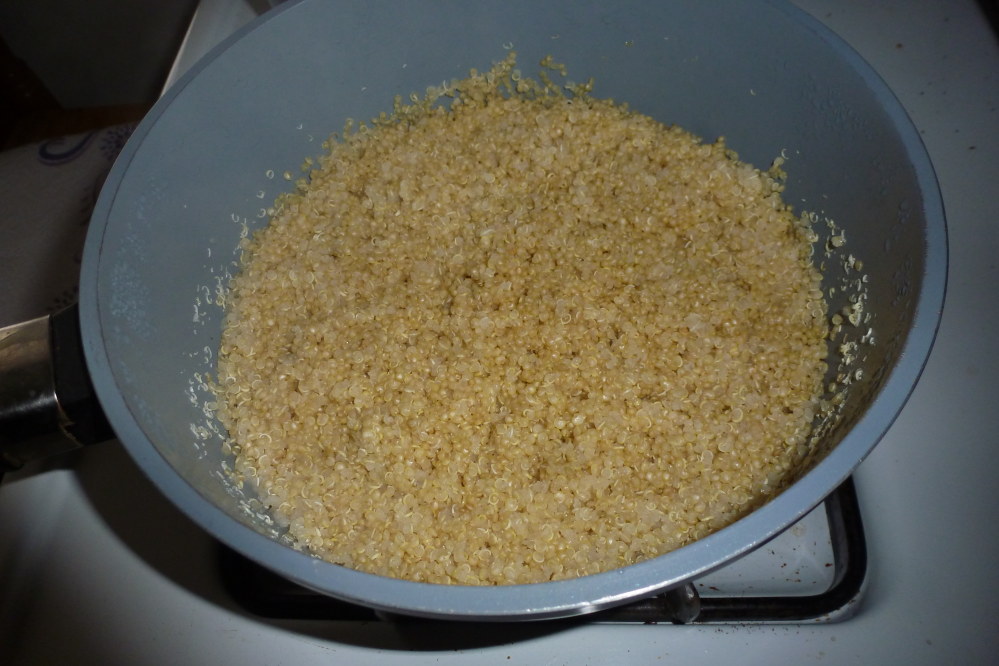
Prepare quinoa with 1 part quinoa to 1.5 parts water. Boil on medium heat, covered until translucent and water has disappeared.
Top the dish on top of a serving of quinoa and you're ready to enjoy!
Chop all veggies. Separate the stalks of the Swiss Chard and put them in a bowl with the chopped up zucchini and celery.
Heat
the cumin seeds and black mustard seeds in olive oil, then add onions.
Saute for a few minute
Then add the tomatoes & green chili
Mix in for a few minutes then add a tsp of garlic, ginger, sprinkle salt and ground fresh pepper.
Add the zucchini, celery and Swiss Chard stalks
Mix well then cover on low heat for a few minutes
Then add the leafy part of the Swiss Chard. Mix in well cover again for a few minutes until wilted. Don't overcook*
Lastly turn off the heat and add the cilantro on top, and it's ready to sever and enjoy!
Prepare quinoa with 1 part quinoa to 1.5 parts water. Boil on medium heat, covered until translucent and water has disappeared
Friday, February 1, 2013
C2O pure coconut water
http://c2o-cocowater.com/
Great source to buy it:) http://www.thirstmonger.com/p-1032-c2o-pure-coconut-water-no-pulp-175ozcase-of-12-cans.aspx free shipping too
It doesn't get any healthier than pure coconut water, and I highly recommend this brand! It's super sweet and delicious without any additives at all.
Not all coconut water is created equal. C2O has taken extra care to select and pack what we believe to be the best tasting coconut water in the world.
Here's what makes C2O different:
Their 100% pure C2O is from young green coconuts from an especially fragrant and tasty variety that are unique to the inland soils of Thailand. These coconuts are a fresh water varietal that yield a more delightful taste than the salty flavor that accompanies more commonly used coastal coconuts.
All their coconut water is packed fresh, with each batch flavor-tasted before being paced to ensure every can has our signature flavor and the quality that makes C2O so popular among coconut water lovers. C2O's great taste is all pure, unlike some others who add extra sweeteners or flavors to mask their saltier taste.
- 100% Natural
- Neutral pH
- Fat Free
- Unsweetened
- Never from Concentrate
INGREDIENTS: 100% Natural Coconut Water
Gluten Free. Preservative Free.
Subscribe to:
Posts (Atom)

.jpg)
.jpg)
.jpg)

.jpg)

.jpg)
.jpg)

.jpg)
.jpg)
.jpg)